If you thought you knew the definition of conservation, think again. In July 2026, the Society for Conservation Biology North America (SCBNA) — the continent’s leading organization for conservationists — formally adopted an updated definition of conservation to better reflect humans’ role as one piece of a complex system, rather than sole leaders.
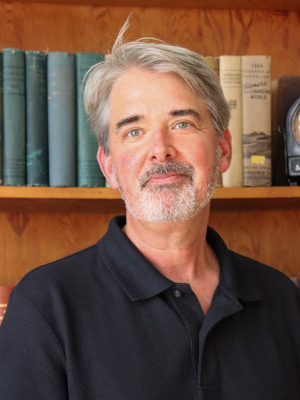 Adrian Treves, professor of environmental studies at the University of Wisconsin–Madison’s Nelson Institute for Environmental Studies, was one of the authors of the new definition. “We aimed to be inclusive, whether you work to conserve water, soil, air quality, or any individual organism. All are welcome,” Treves said.
The updated definition reads: “Conservation is a practice informed by the best evidence-based science and place-based knowledge whose outcomes protect and restore the natural environment — including its air, soil, water, biological diversity, ecosystem processes, and evolutionary potential — to ensure equitable benefits derived from nature and safeguard its value for current and future generations of all life.“
What do we stand to gain from an updated definition? The team argues that consistent use among practitioners will benefit conservation outcomes by creating clarity and consistency: whether it’s in policymaking, research, or media coverage.
“At a time of accelerating biodiversity loss and climate change, and as public values surrounding conservation evolve, SCBNA believes it is important to articulate a contemporary understanding of conservation that reflects both current science and society’s changing relationship with nature,” explained an SCBNA press release.
 While the dictionary has defined conservation (1e: The preservation, protection, or restoration of the natural environment and of wildlife; the practice of seeking to prevent the wasteful use of a resource in order to ensure its continuing availability.), the Society for Conservation Biology Global (SCBNA’s parent organization), as well as a number of high-profile academic journals, lacked a concrete definition of the term. Treves and his coauthors saw this consistent non-definition as a “purposeful strategy” to not define the term. The problem stemming from both the dictionary definition and practitioners’ collective lack of definition is the centering of humans: conservation is something humans do, to benefit themselves, and its success is measured by the factors that are most beneficial.
Developed over nearly a year, the updated definition broadens what is protected under conservation efforts, introduces success metrics, and expands expertise beyond Western sciences. The definition also comes with a new “living” glossary of terms, which encourages participation and input from on-the-ground stakeholders around the world.
One word in the glossary — value — has already had a positive reception. The term’s expanded definition encompasses both the intrinsic and instrumental values of all living organisms; that is, it recognizes that all living things hold value beyond their use to humans. This has already been seen as a major win among animal welfare activists and organizations opposed to “trophy” and tourist hunting.
Treves and the team have written a companion paper on the updated definition, which takes a deep dive into the need for and benefits of a unified definition. The paper is currently under review for future publication in Conservation Biology.