The sorting of single-use plastic cups for recycling varies widely by plastic type, revealing that some plastics are far more likely to be sorted accurately than others. Plastic recycling rates remain low, with only 5 to 10 percent of plastics recycled each year. Single-use plastics account for approximately 40 to 50 percent of all plastics produced annually. Improving recycling rates depends on accurate sorting, yet human disposal behaviors for single-use plastics are complex.
Waste audits conducted at the University of Wisconsin–Madison examined how students, staff, faculty, and visitors sorted plastic cups into available campus landfill and recycling streams. Across eight waste audits, disposal outcomes for nearly 700 kilograms of plastic cups were recorded.
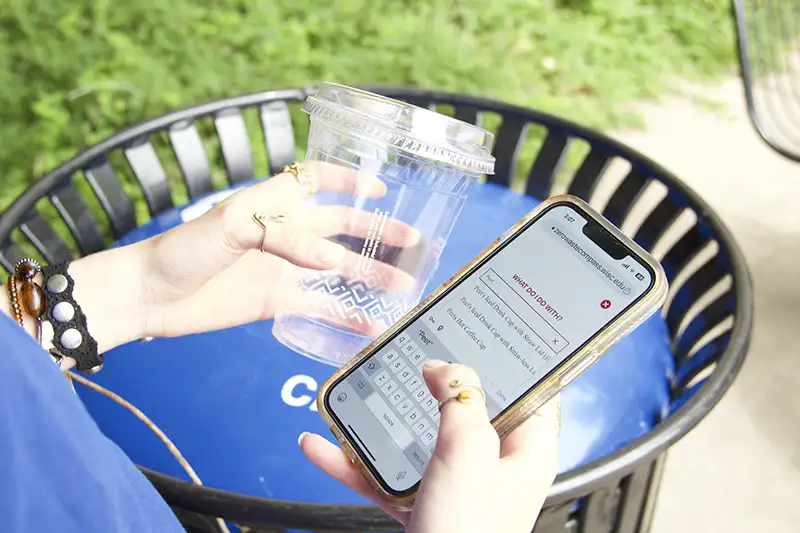
The examined cup materials included polyethylene terephthalate (PETE), polypropylene (PP), polystyrene (PS), and polylactic acid (PLA). All these plastic cups can technically be recycled, though PP and PS have known challenges, and PLA is not recyclable in standard systems and may contaminate recycling streams.
Sorting accuracy of single-use plastic cups varied markedly by material. PETE cups were placed in recycling 67 percent of the time, 40 percent for PS, and 36 percent for PP. PLA was correctly placed in the landfill stream 52 percent of the time. The higher accuracy of PETE sorting suggests that individuals may take more deliberate action or have better alignment between available information and disposal decisions when handling this material.
Disposal behaviors are influenced by a range of factors, including recycling knowledge, product familiarity, and feedback in the recycling process. Given these findings, selecting PETE cups when single-use plastics are needed may support more accurate disposal and increase recycling rates. As UW–Madison works toward its “Zero Waste by 2040” goal, understanding real-world plastic disposal outcomes are essential.
These results can inform institutional purchasing, policies designed to promote plastics recycling, and environmental assessments. Using the campus as a living laboratory fosters experiential learning, supports evidence-based decision-making, and accelerates sustainable innovation. UW–Madison can serve as a replicable framework for broader local and regional sustainability efforts.
Incorporating empirical disposal behaviors into environmental impact and life cycle assessments will also yield more accurate and relevant outcomes than stylized scenarios and assumptions. Moving plastics use towards circularity reduces the need for newly extracted materials. Enhancing transparency in plastic flows can reduce environmental burdens and strengthen institutional resilience.
Author Affiliations
- Audrey Stanton, UW–Madison Nelson Institute for Environmental Studies doctoral student, apstanton@wisc.edu
- Mónica Rodríguez Morris, UW–Madison Department of Civil and Environmental Engineering research assistant, mrodriguez37@wisc.edu
- Andrea Hicks, UW–Madison Nelson Institute for Environmental Studies assistant dean for sustainability research and education, Civil and Environmental Engineering Keith and Jane Nosbusch Associate Professorship in Engineering Education, Office of Sustainability director of sustainability education and research, hicks5@wisc.edu