

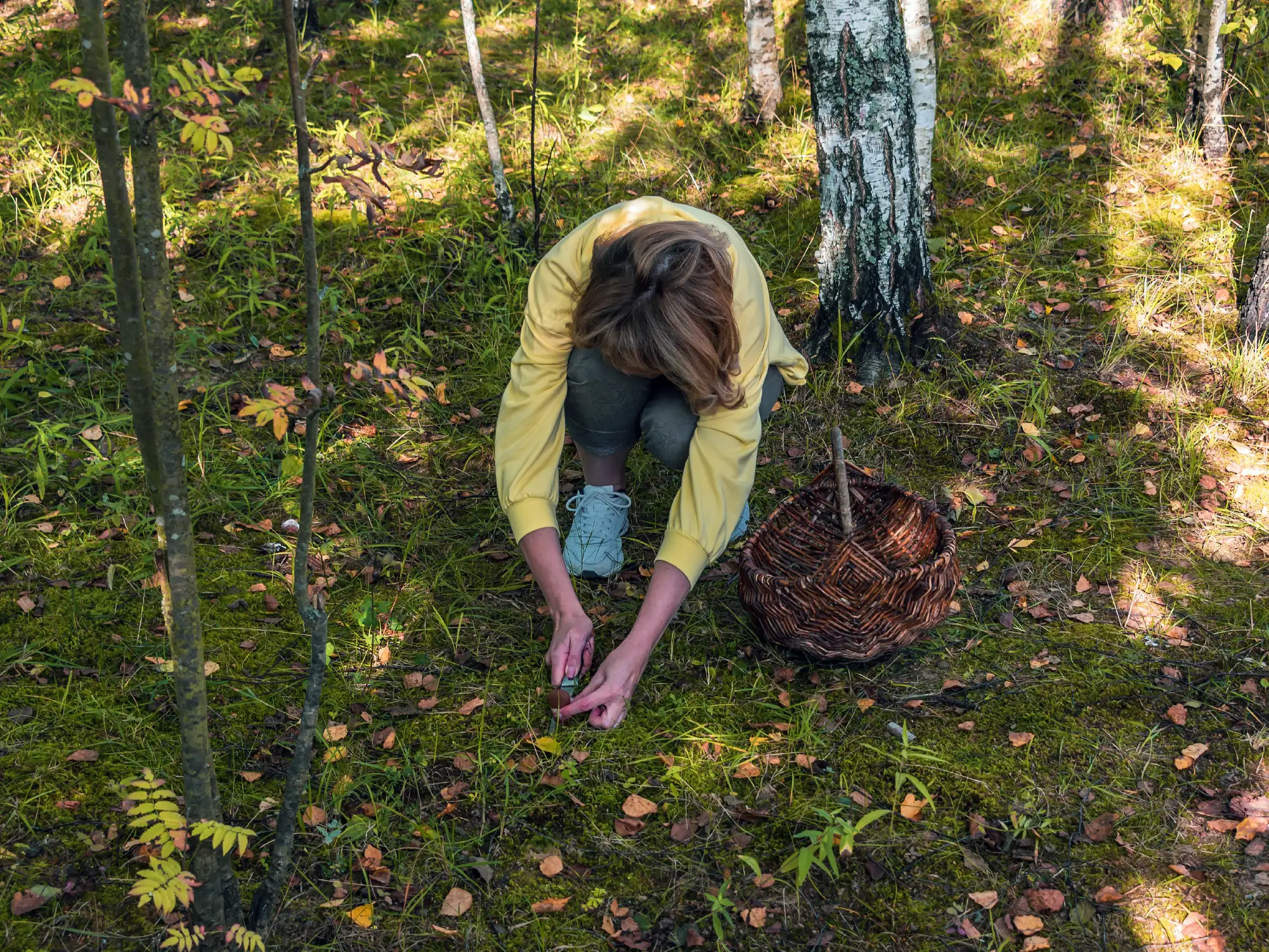

The days may be getting shorter and the temperatures may be dropping, but fall is prime time to get outside. If you’re looking to pick up a new outdoor activity, foraging might be the one for you. You don’t need expensive and a multiday trek to find a treasure trove of native plants that can easily be turned into tasty treats, crafts, and more. Whether you’re hiking the state’s scenic trails or taking a sidewalk stroll in your neighborhood, here are tips for foraging this fall..
First things first, know (and follow) the rules
Before you set out on your fall foraging adventure, check the local ordinances to make sure gathering and collecting is permitted. In Wisconsin, foraging on state and federal lands is permitted (sometimes subject to quantity or weight limitations), but county parks, for instance, can set their own rules. Be a friend to nature and policymakers by checking the rules before you roam.
Search high and low
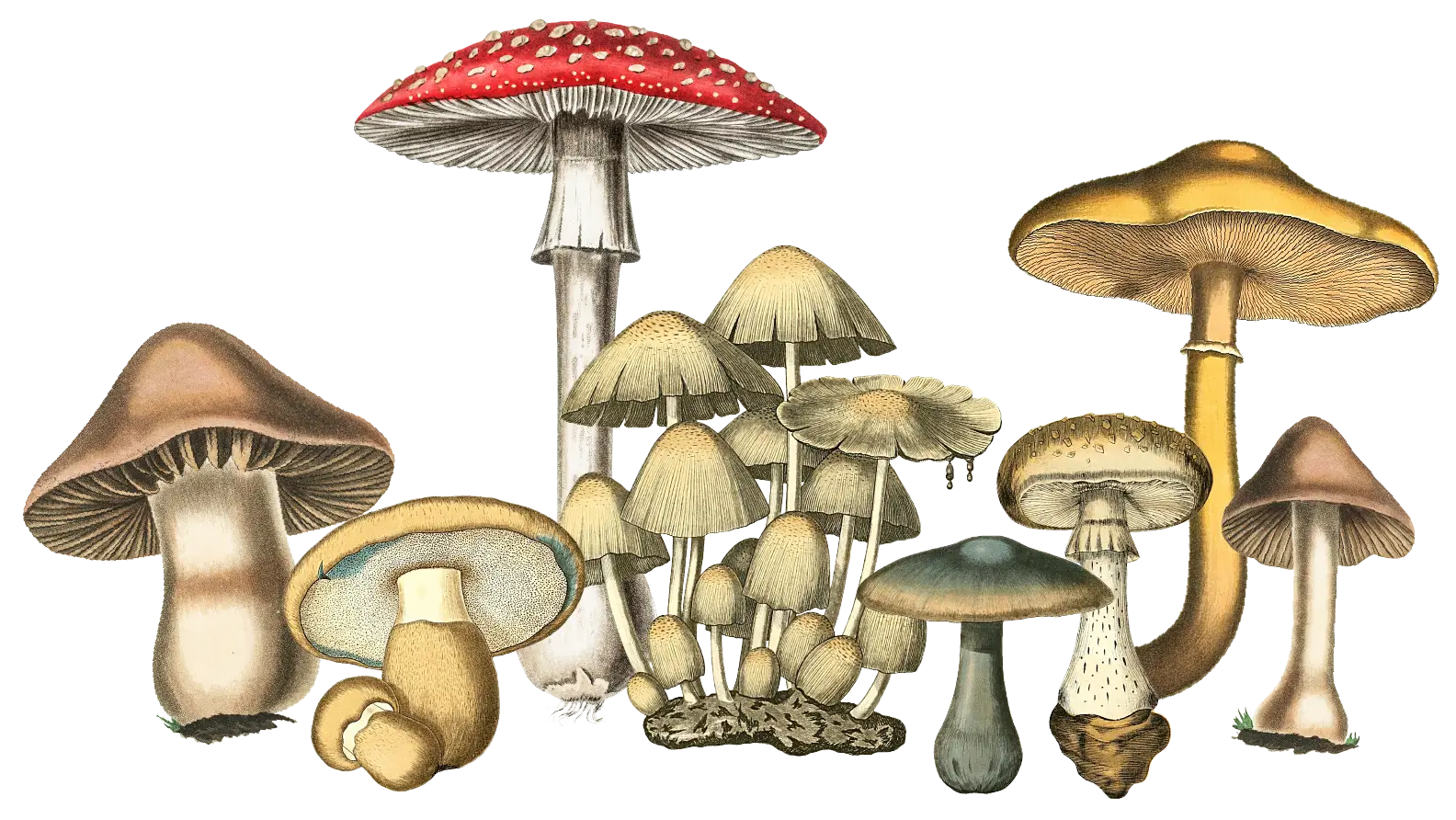
While springtime yields the coveted morel, fall is peak season for mushrooming. Find ground-dwelling giant puffballs for puffball pizza, dementia-fighting lion’s manes to make a vegan “crab” cake, or the umami-rich porcini for a classic Italian dish. But unless you’re a seasoned mycologist, use extra caution when identifying your mushrooms. Be sure to read up on poisonous lookalikes, and never eat anything unless you’re 100 percent certain of its species. Remember what they say: all foods are edible … sometimes only once.
Go nuts
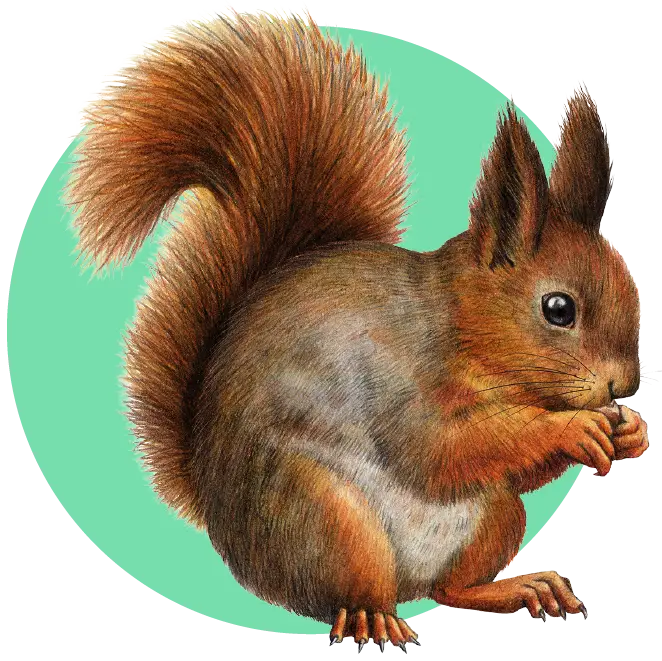
Squirrels aren’t the only ones who benefit from the trees going bare. As leaves fall to the ground, keep an eye out for edible tree nuts like black walnut, hickory, and American hazelnuts. Process your haul into healthy and tasty treats like cakes, cookies, and tarts — or cold-stratify them to plant new trees in the spring.
Think beyond the plate
A foraging adventure can fill your home with more than sustenance. Native plants like black walnuts and goldenrod — even woodchips or onion skins! — can be used to create your own natural dyes. Plan ahead for next year’s pollinator garden by collecting milkweed pods or other wildflower seed heads to scatter in spring. Or throw it back to some elementary-school–era crafts with pressed-leaf bookmarks or pinecone and peanut-butter bird feeders.
And, as always, leave no trace!
What expert tips do you want next? Email us at communications@nelson.wisc.edu.

