


From wildfires to pollen to pollution, many factors that affect the quality of air we breathe every time we step outside. And while our individual actions are critical to righting the ship and safeguarding a future of clean air, it also feels overwhelming to have such a seemingly small slice of control over the air in your lungs. Much attention and research is focused on outdoor quality, but did you know that Americans spend more than 90 percent of their time inside? There’s a lot we can do in our own spaces to keep our indoor air clean. Here are seven small steps you can take to breathe easy at home.

1. Air out your dwelling — especially in winter.
It became a TikTok “trend” in America this winter, though it’s been a normal part of European and Scandinavian culture for generations: open all windows for a few minutes each day to circulate fresh air. Yes, even in the cold!
2. But before you do, understand AQI — and check your local air quality monitoring network.
AQI, or air quality index, is “the amount and density of pollutants in the air,” explain The Weather Guys Steve Ackerman and Nelson Institute affiliate Jonathan Martin. “An AQI of less than 50 is considered safe, while unhealthy conditions have an AQI above 100.”
3. Ready, set, spring clean!
Save spring cleaning for a day with an AQI below 50, then open up all your windows and doors and put that vacuum and duster to work. Give it about 30 minutes after the full clean before closing up again.
4. Check and change your air filter regularly.
How often you need to change your home’s air filter will depend on factors like your home’s size, if you have pets, and what type of filters you buy. Set a reminder to check it at least every one to three months. If you live in an area with high air pollution or more frequent wildfire smoke events, you may need to change it more often.
5. Limit the use of your gas stove …
Try smaller appliances like air fryers, hot plates, or slow cookers when possible, suggests Clean Wisconsin, and when you have to fire up the gas, use the range fan or open windows (when the outdoor air quality is appropriate!). If you’re in the market for a new appliance, consider upgrading to an induction stovetop.

6. … and hang-dry laundry inside or outside when possible.
Allergy sufferers should take special note of pollen counts before hanging anything outside. If you hang your clothes outside on a high-pollen day, you’re going to bring those allergens inside.
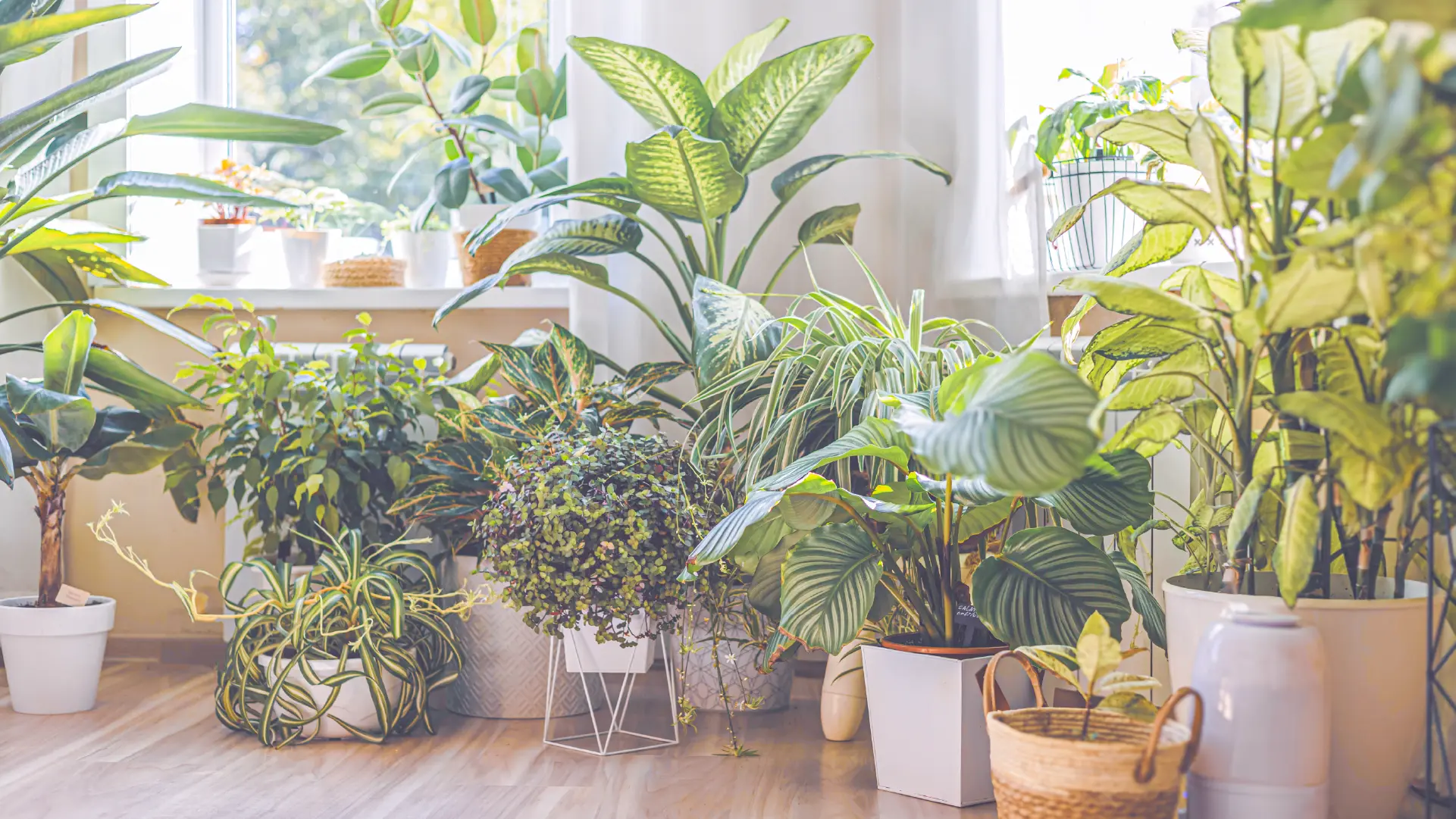
7. Brighten up your space with some houseplants.
In 1989, NASA conducted a study that proved that certain houseplants can filter out airborne toxins. Consider a low-maintenance pothos, an easily propagated spider plant, or a hardy snake plant.
This article was written in collaboration with the Climate Solutions for Health Lab.

