

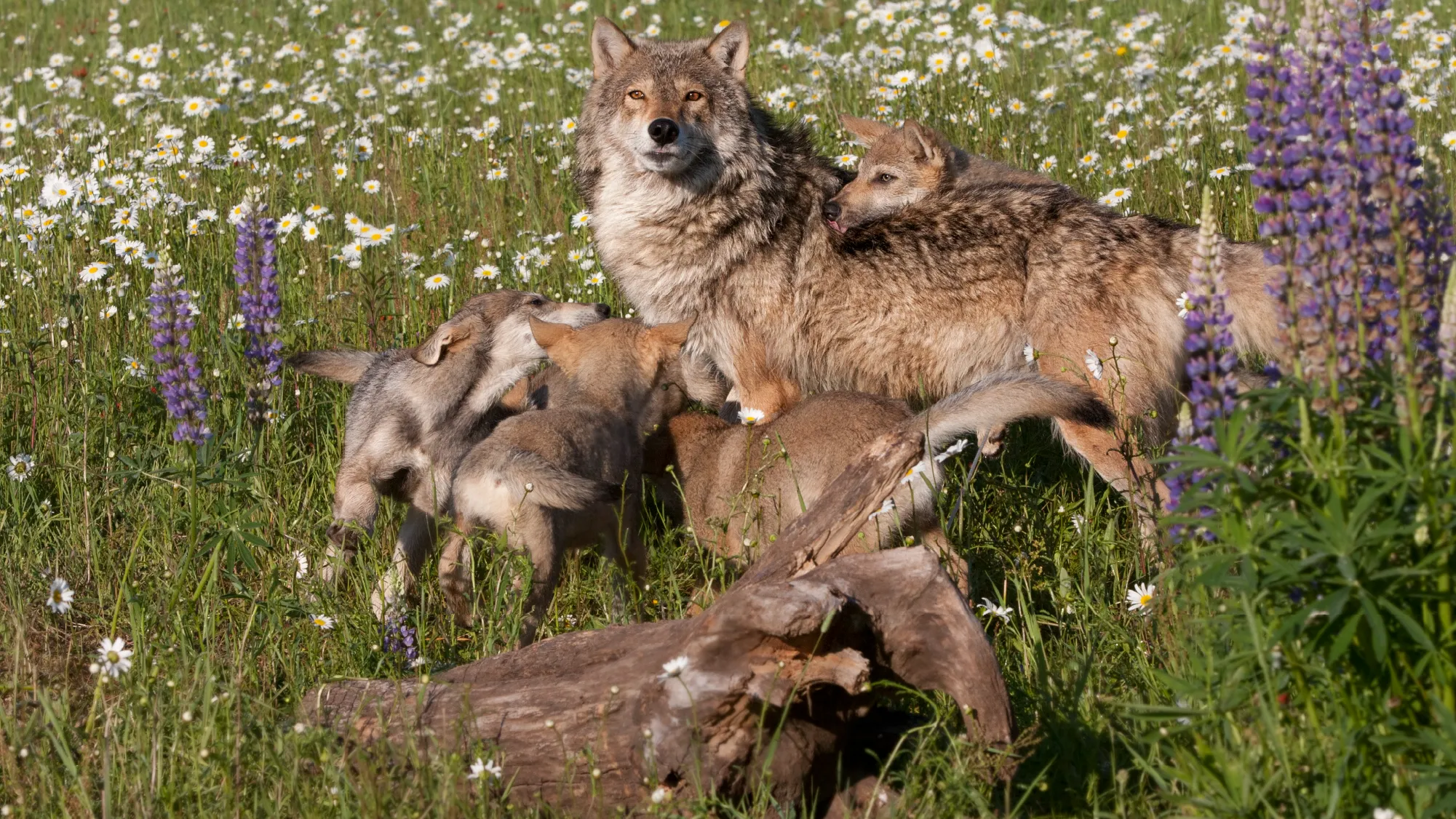

If a wild predator injures a farm animal, killing that predator will fix the problem … right? Not so fast. It’s a belief so often restated that people treat it as a fact. I had that tidy notion, too, until 20 years ago when I started looking at the evidence.
This claim — that killing predators protects farm animals — is tidy. It fits our human-centric, crime-drama conceptions of guilt, responsibility, and survivors as witnesses. But like other myths we cherish, it is based on a bunch of assumptions that turn out to be false. Assumptions like knowing who the culprit is. As in murder mysteries, we believe there is one prime suspect. But unlike detectives, wildlife authorities lack clues. A quick solve sometimes implicates the wrong individual. When we talk about wild predators, there is no due process. Then, wolves killed after farm animal injuries are often killed kilometers from the site, weeks to months later, using outdated or quick-and-dirty methods that are prone to error.

In other words, we might not actually be killing the killer after all. We’re killing — often unreliably and inhumanely — the first convenient carnivore to wander into our sights or traps. Or, in very real terms, a bystander who might have been just minding their own business. The result? Dead wolves, leopards, and bears scattered around the world. And guess what? It doesn’t save your livestock.
And that’s what 12 colleagues of mine joined with me to report in Conservation Science and Practice, an international peer-reviewed scientific journal. This isn’t just 13 buddies who have one point of view, either. These are 13 scientists working across five countries, most of whom I have never met. We came together because our results from independent research since 2011 all point in the same direction.
Whether we study wolves and domestic animals in Latvia, Slovenia, Slovakia, the Golan of Israel, or the Upper Peninsula of Michigan, we all found the same answer.
Most of the time, killing predators saw no change in livestock losses. Sometimes, it does have the desired result. But equally often, it has a counterproductive backfire result of raising livestock losses.
You read correctly.
Sometimes, killing a wild wolf will lead to more livestock dying. A similar result has been found for cougars in the state of Washington and dingoes or foxes in Australia. Something similar was found for culling badgers in the United Kingdom to combat the spread of bovine tuberculosis. None of these countries’ scientists found that non-selective, remote killing worked the way their governments hoped. Unfortunately, few governments have paid attention and the killing continues, removing hundreds of thousands of wild animals annually in the United States alone.
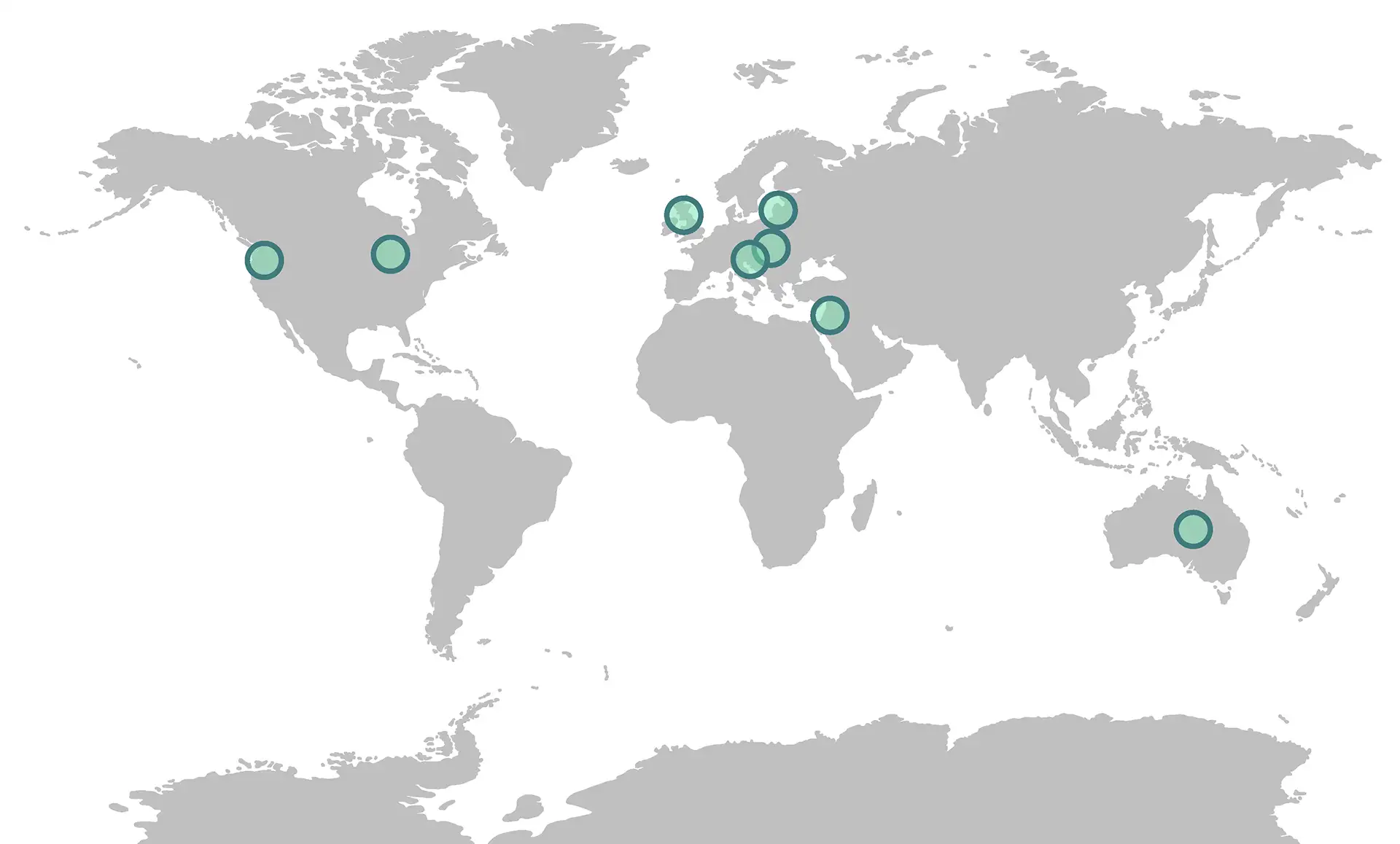
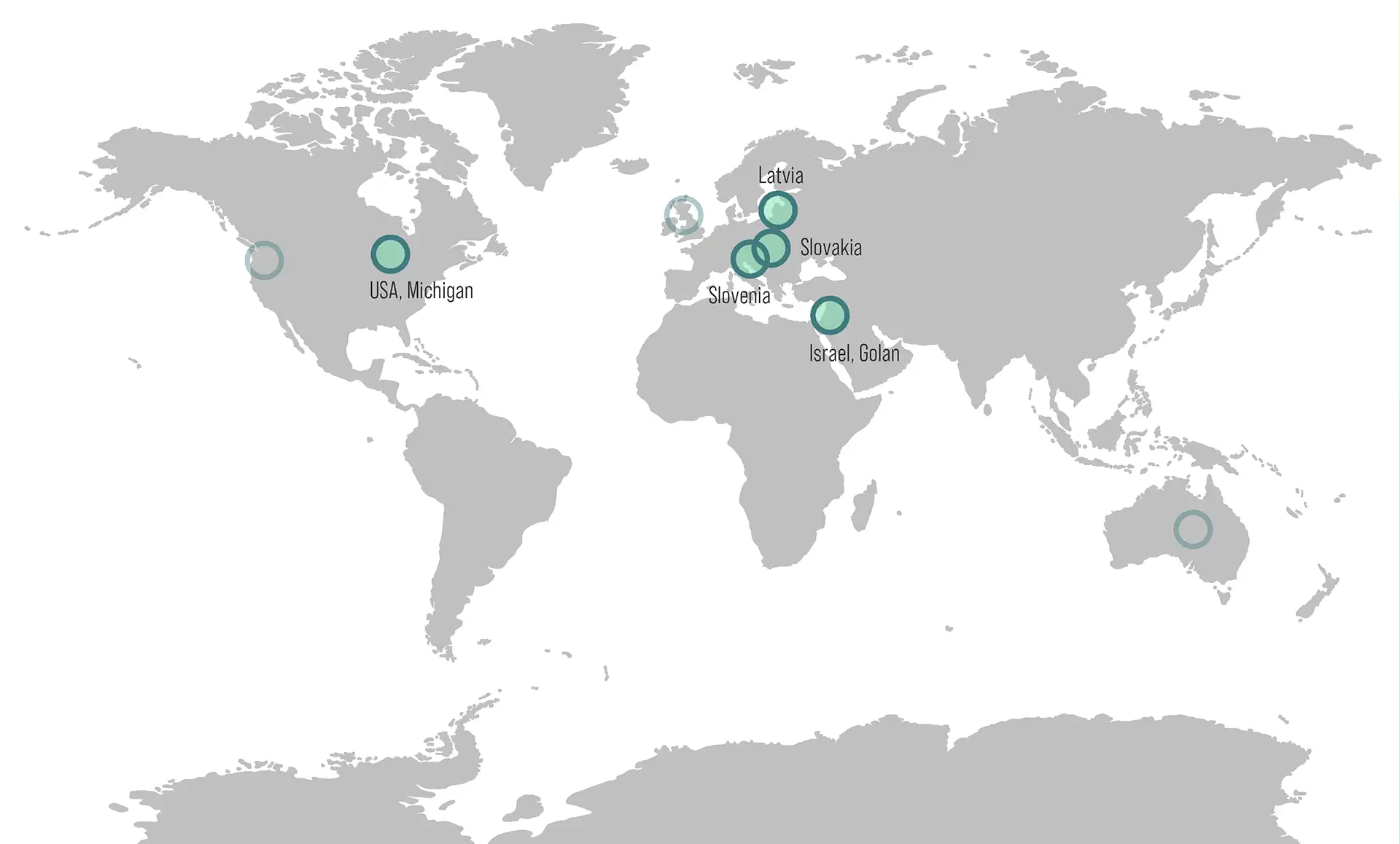
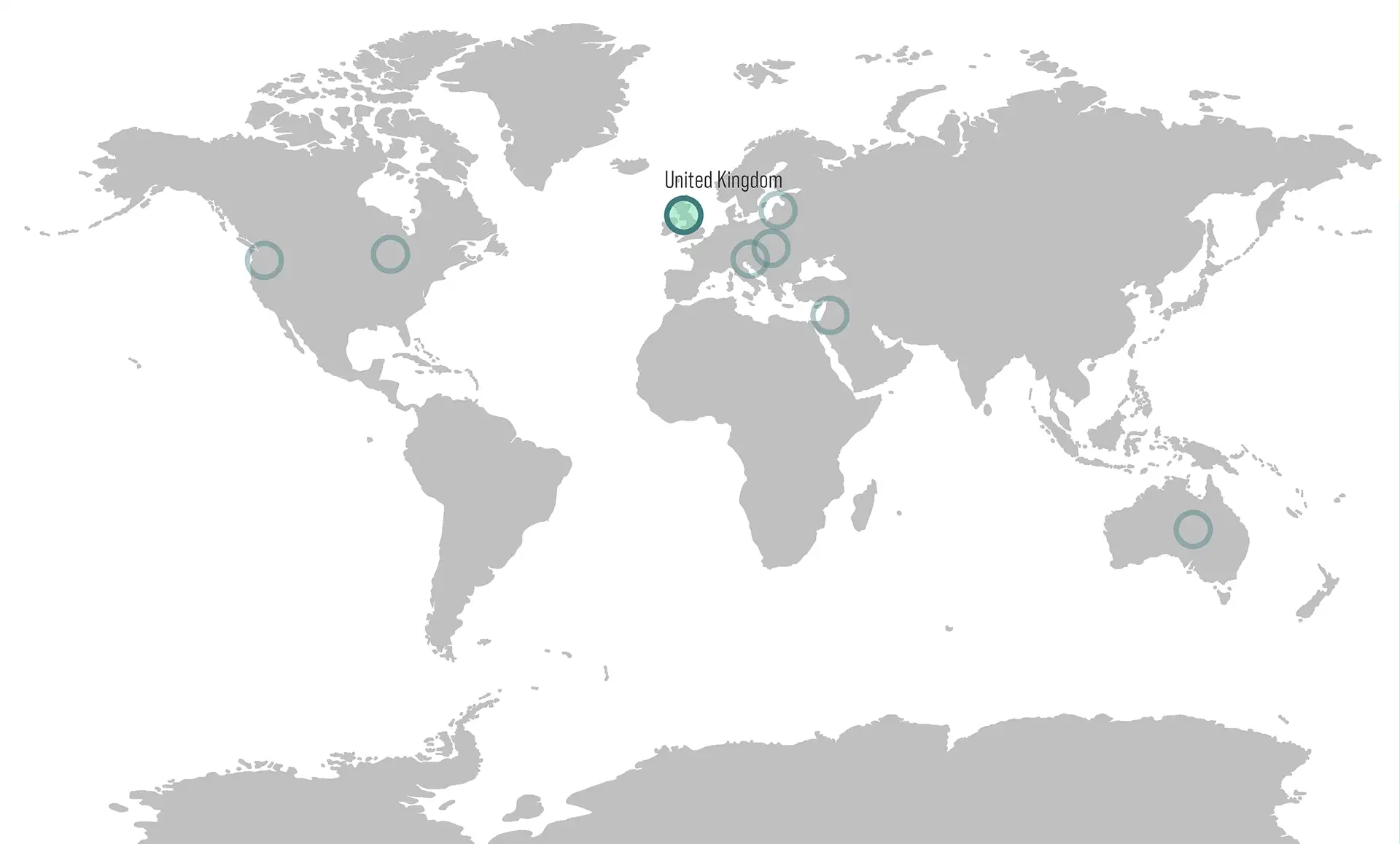
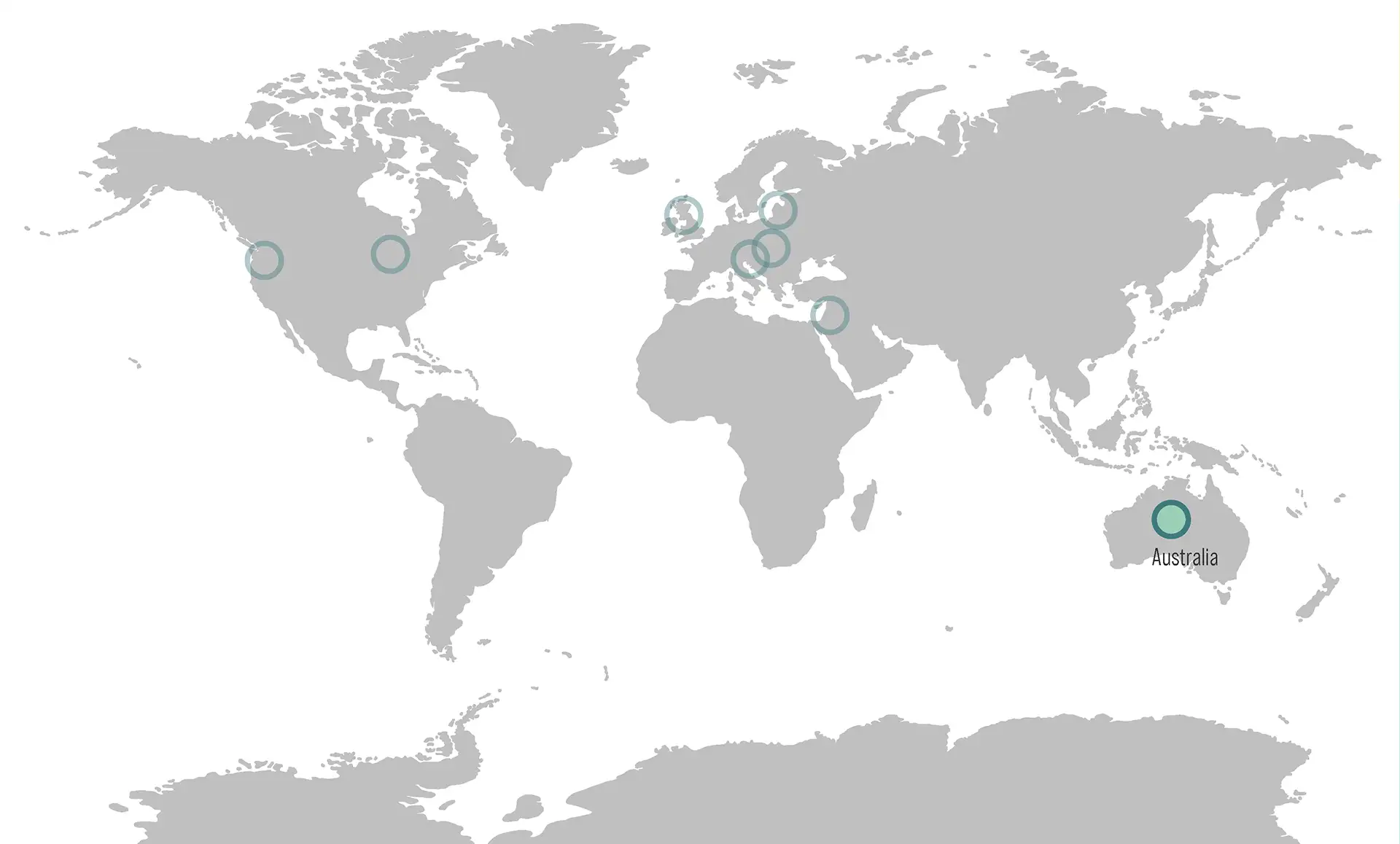
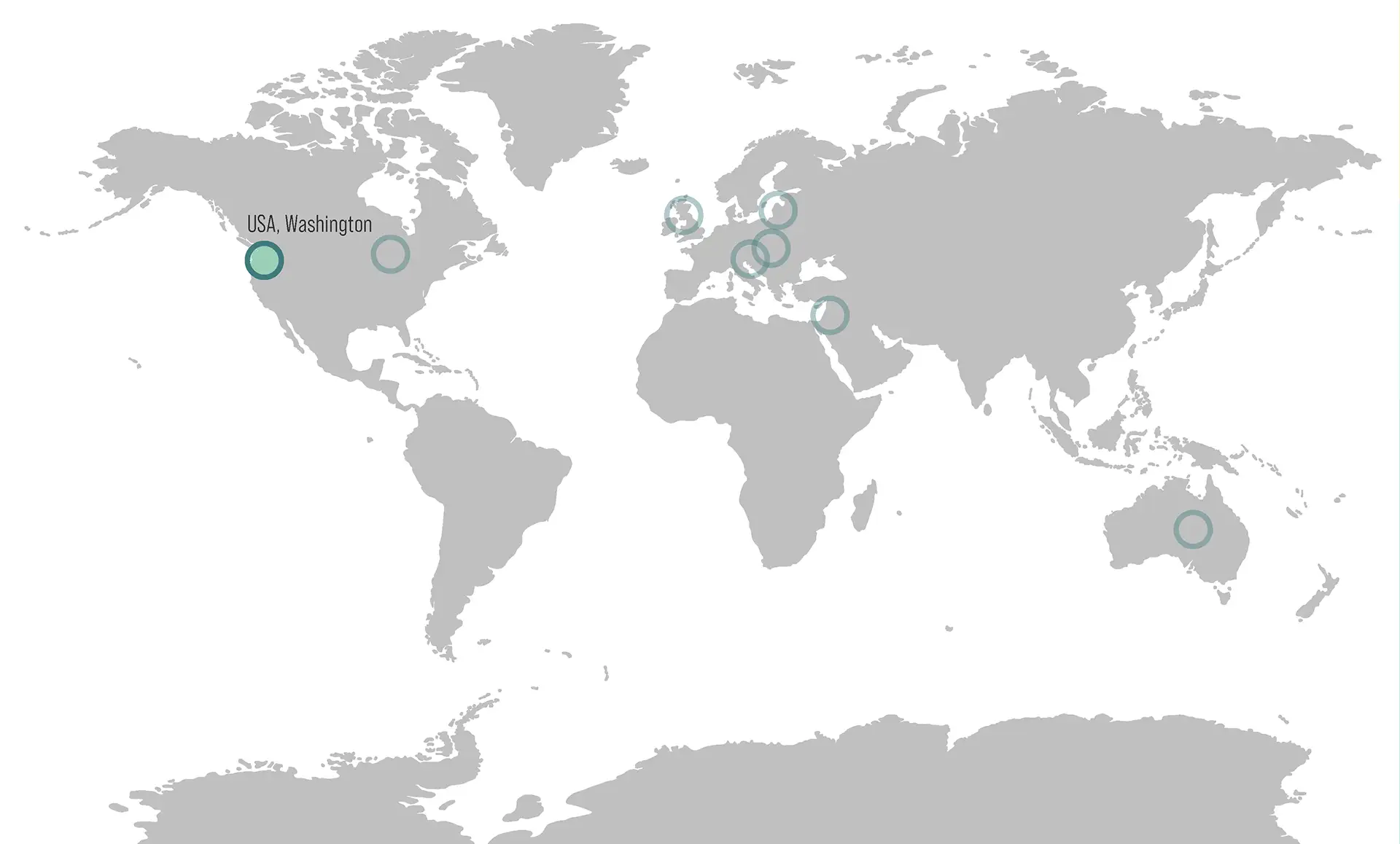
Predators Around the World
The study led by Treves — “Removing wolves did not reliably prevent domestic animal losses” — references related research on livestock-predator carnivores including badgers, red foxes, dingoes, cougars. Scroll through to learn about the effectiveness of other predator-removal strategies.

Gray Wolf (Canis Lupus)
Locations: Israel, Golan; Latvia; Slovakia; Slovenia; USA, Michigan
Treves’ study examined the effectiveness of killing gray wolves to protect domestic animals. Across five sites, the team determined that the consensus is that the intervention has a net zero effect. In the majority of cases, all studies reported no effects from wolf-killing. They all also found occasional desired effects and occasional backfiring or undesirable effects — an increase in domestic animal losses. Balanced out, the five studies together found more undesirable effects than desirable ones.
The study in Michigan was conducted by Francisco Santiago-Ávila PhD’19, a graduate of the Nelson Institute’s environment and resources program. In 2023, Santiago-Ávila was recognized with a Rising Star Alumni Award for his work in carnivore advocacy.

Badger (Meles Meles)
Location: United Kingdom
A key finding of the wolf study was the need for establishing reproducible randomized controlled trials (RCTs) to further test the effectiveness of wolf-killing programs. The study points to several RCTs of badger removal in the United Kingdom, where lethal interventions were unpredictably successful to prevent the spread of bovine tuberculosis to cattle. However, the badger studies shared some of the unpredictable outcomes and occasional spill-over effects spreading the disease to neighboring farms.

Red Fox (Vulpes Vulpes)
Dingo (Canis Familiaris Dingo)
Location: Australia
Similarly to the badger study, Australian researchers used RCTs to study the effectiveness of poisoning red foxes and dingoes to prevent sheep or cattle losses. But like both the badger and wolf study, there were unpredicted consequences including higher sheep or cattle losses, which depended on complex factors related to alternative wild prey, husbandry, and how and where predators were targeted.

Cougar (Puma Concolor)
Location: USA, Washington
In 2013, a study from Washington State University found that cougar hunting actually increases livestock losses while not preventing any human-wildlife conflicts. When a large male cougar was removed from an area — often for sport or trophy hunting — multiple younger males came in to compete for control. This increase in a younger, less skilled population led to higher livestock losses.
Why does killing those wildlife backfire and lead to higher losses? The science is still unclear. The badgers, cougars, and two wolf studies have produced the leading hypotheses. Almost always, some associates of the dead animal survive. Without their pack member, they travel more widely and encounter more people, domestic animals, and property. Loners and stragglers are often desperate for a meal or otherwise prone to conflict. So, humans may sow their own future problems when they kill wildlife.
One author on our study, Nelson Institute alumnus Francisco Santiago-Ávila PhD’19, details how a team of wolves reacted to humans killing one or more of their members from a study in Michigan. He found that while killing wolves did help the target farm avoid future losses, their neighbors began to suffer more cattle losses. We termed this a “spill-over effect.” The survivors, or even newcomer wolves, began causing more problems far from the spot where their family members had died. This finding was corroborated for the wolves of the Golan Heights in Israel.
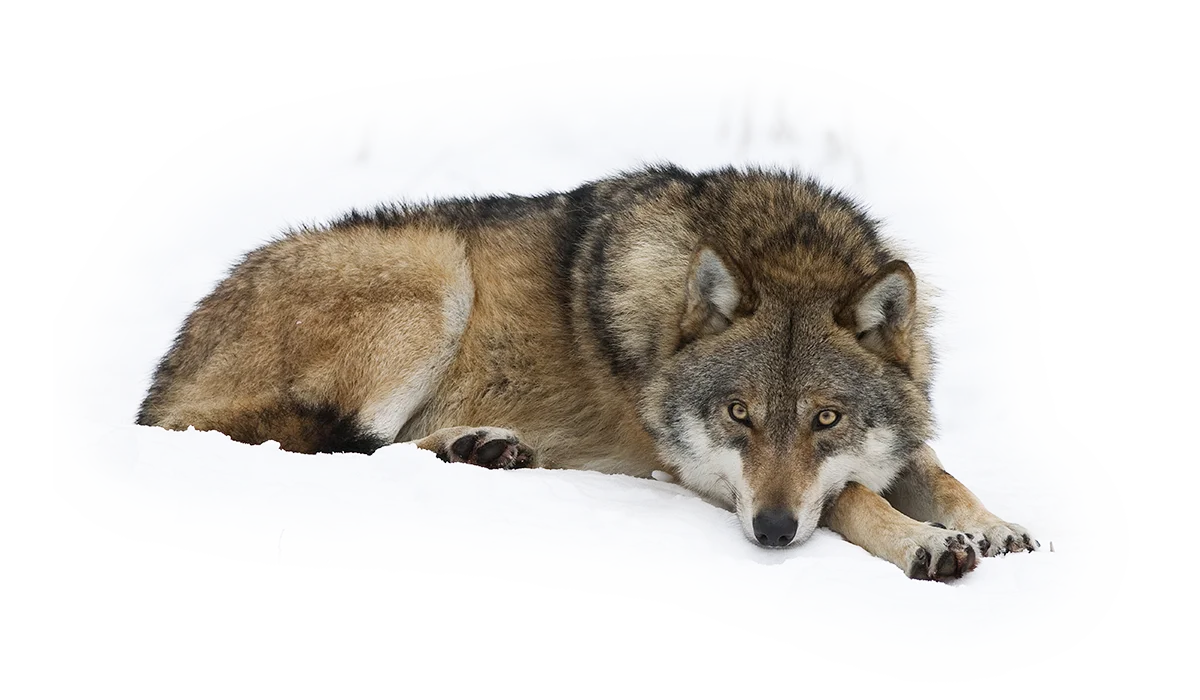
To understand the spill-over effect, think of a family of badgers, wolves, coyotes or dingoes, as a team. They defend a territory, raise their young, and sometimes hunt cooperatively. When humans kill one or more of the team, it won’t function as well. The survivors turn to the most predictable and efficient foods: unsuspecting domestic animals in a predictable place. But these ideas are not yet widely accepted in the scientific community because data are sparse. Not so for the basic question of whether domestic animal losses decline after wolves are removed.
My 12 colleagues and I came together to find consensus. We hope this will inform policy. Scientific consensus is important because any single finding is provisional. Even two similar findings need to be repeated before we consider findings reliable. We also searched the entire scientific body of knowledge (1985 to present) to be sure we had all the studies that used reliable methods and shared their data on the aftermath of killing wolves. Even the studies that didn’t meet our criteria found the same mixed results: that livestock losses could go up, down, or not change at all.
We can’t yet claim the international scientific community shares our consensus; that takes time. But our work is a watershed moment for government programs that kill wildlife to protect property.
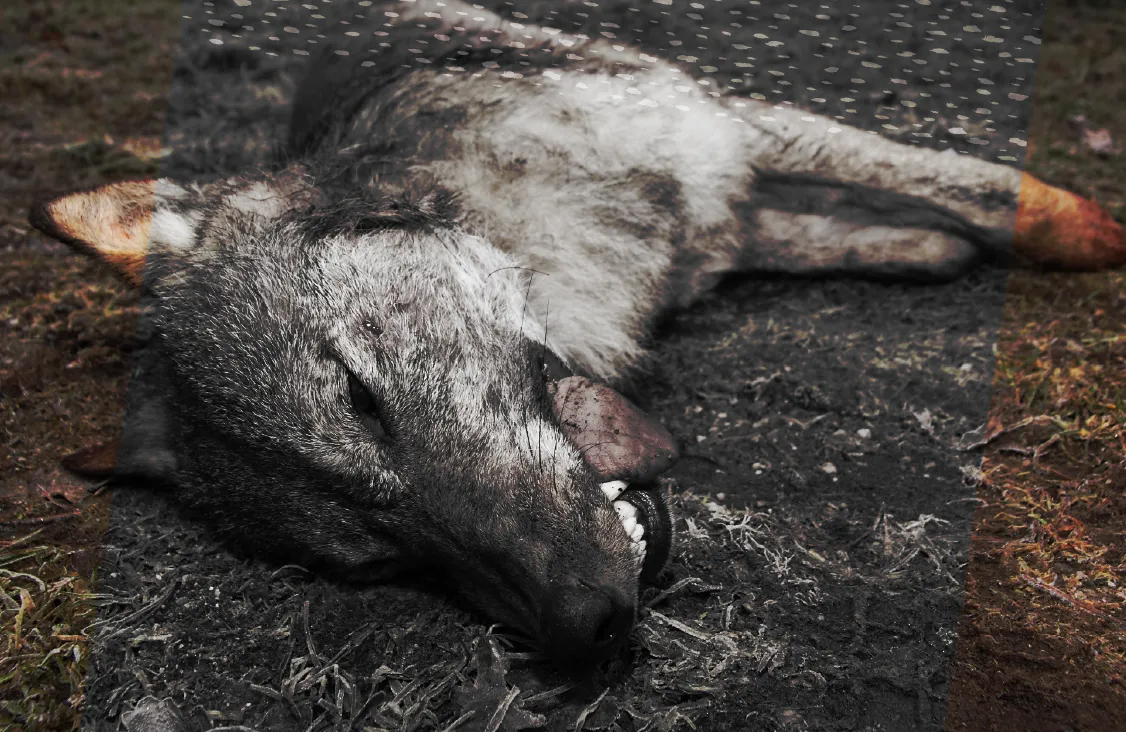
This image may be upsetting for some readers. Click or tap to reveal.
A key finding from our work is identifying a much-needed standard of evidence. As with biomedical research on therapies such as vaccines, we need the gold-standard randomized, controlled trial to test if and under what conditions killing wolves protects farm animals. That experiment has never been conducted on wolves anywhere in the world in the history of humanity. While we develop that method, my 12 colleagues and I urge governments to end wolf-killing programs. Wolf-removal programs are wasting lives, resources, time, and sometimes result in economic losses. Moreover, the claims around government predator-killing “protections” are misleading the public and farmers.
Only when the scientific community comes to a broad consensus on a policy intervention should policymakers make a move that has no effect. Until then, we must put an end to shooting first and asking questions later.