

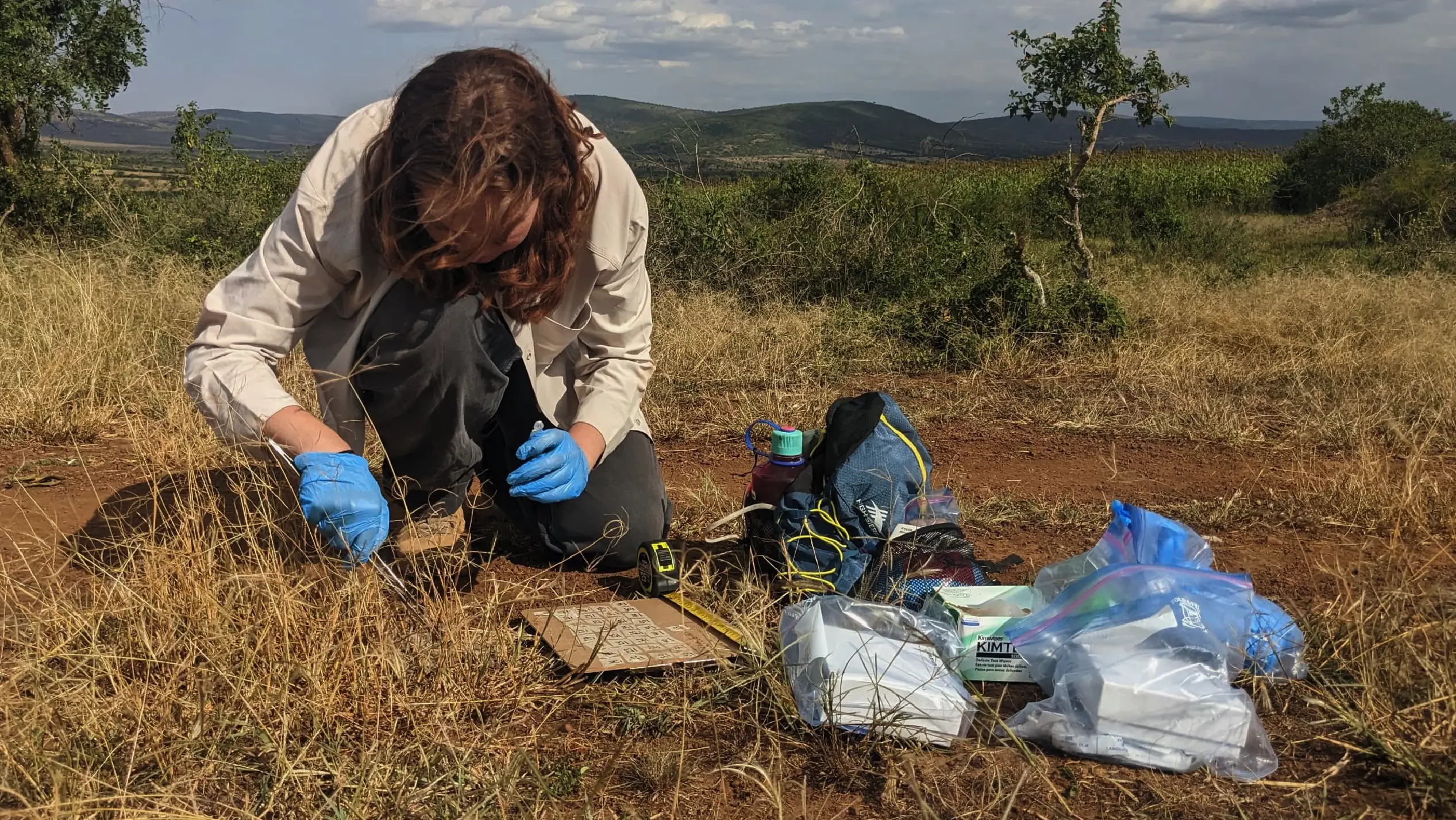

One animal’s waste is another scientist’s data. By analyzing DNA hidden inside carnivore scat collected in and around Rwanda’s Akagera National Park, Nelson Institute PhD candidate Allison Fisher is uncovering what large carnivores eat and evaluating genetic tools that can help researchers better understand human-carnivore conflict.
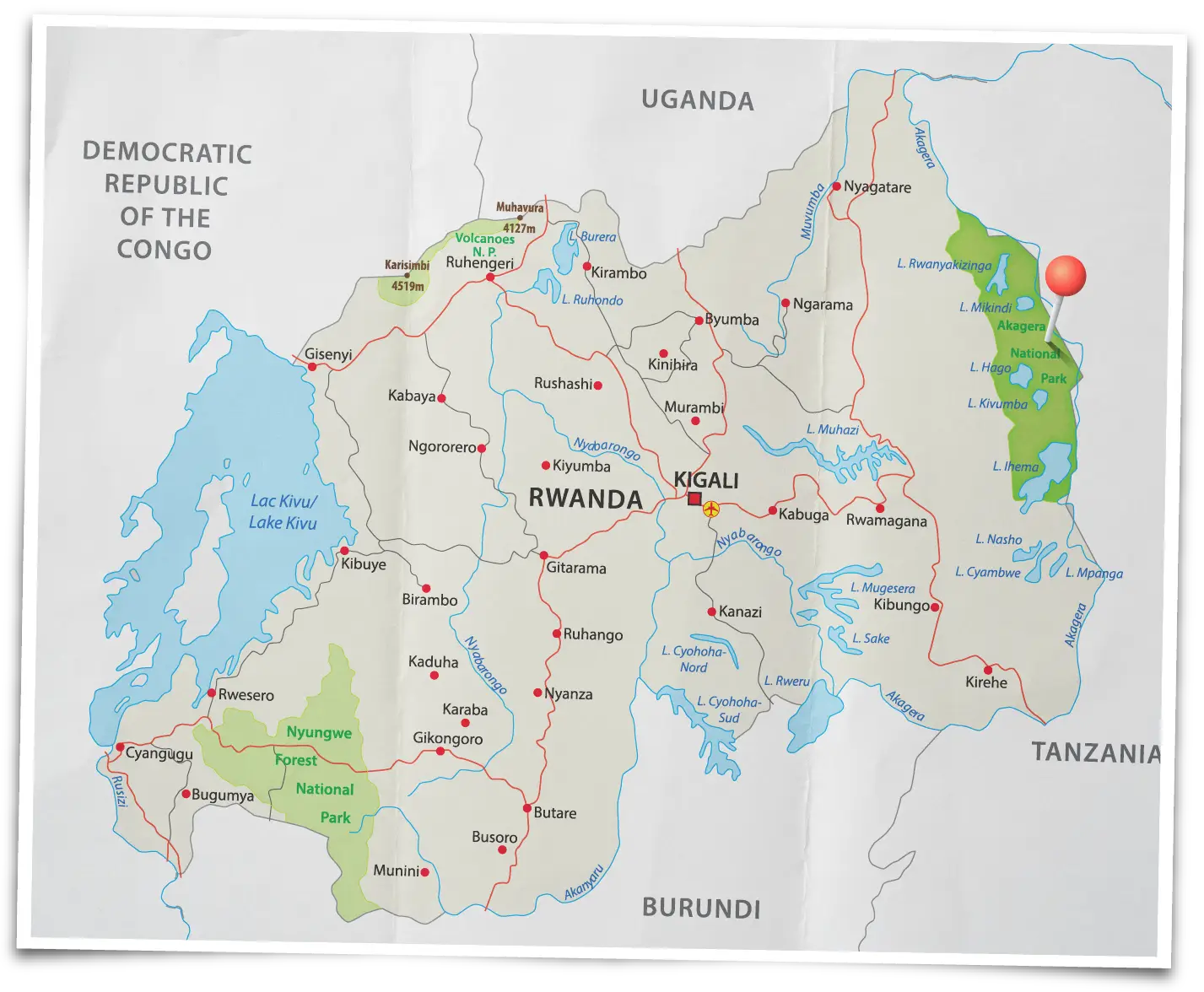
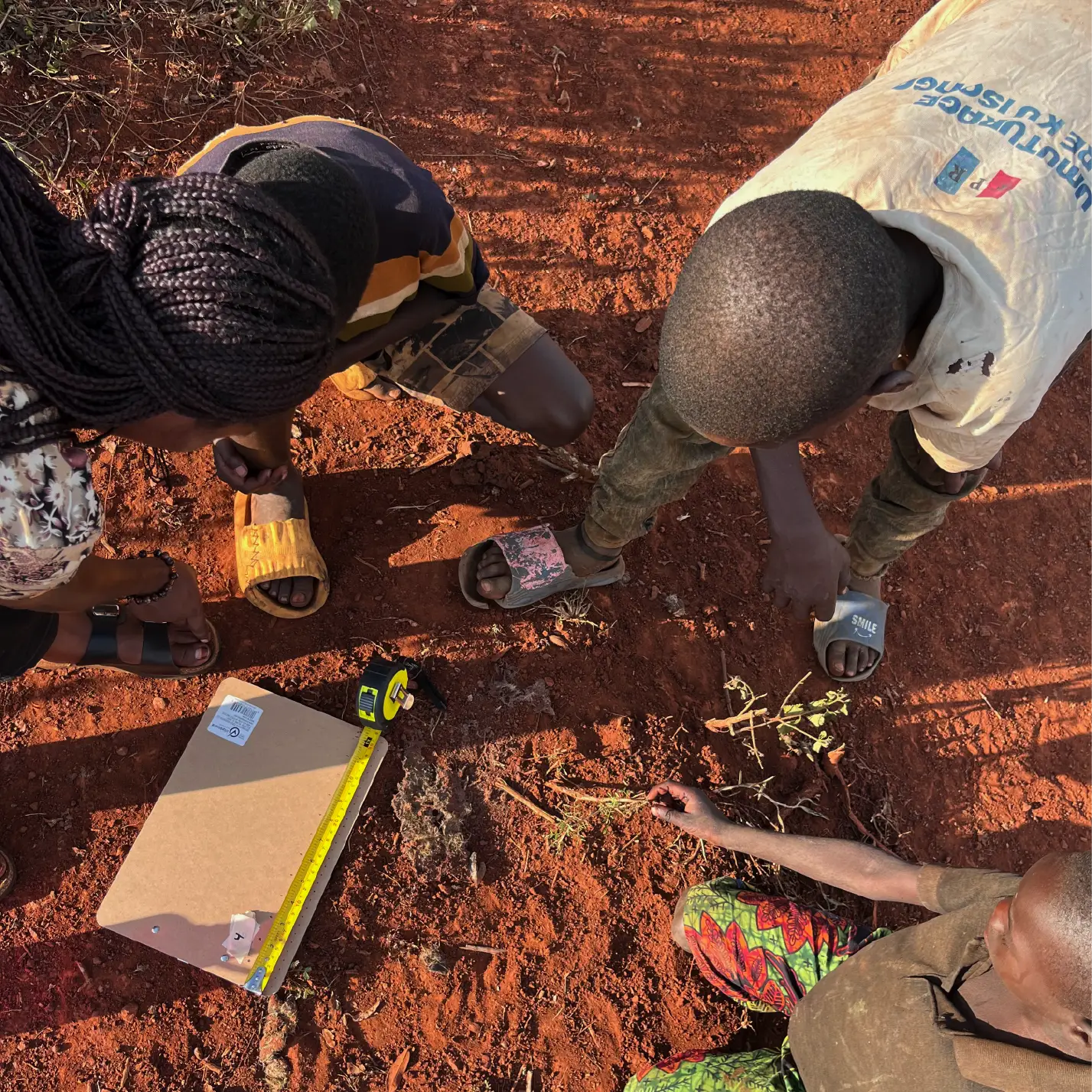
To do that, Fisher spent last summer collecting scat from spotted hyenas, leopards, servals, and canids living both inside the park and in surrounding villages. In collaboration with researchers at the University of Rwanda, she analyzed the samples to reconstruct the animals’ diets, searching specifically for evidence of domesticated livestock consumption. “Working with scat is not the most glamorous, but it’s amazing how much you can learn by analyzing the DNA inside, all without bothering any animals,” Fisher said. “I’m hopeful that non-invasive genetic techniques can benefit the field of human-carnivore coexistence.”
She also compared two DNA sequencing methods, identifying the strengths and limitations of each for monitoring carnivores in landscapes shared by people, livestock, and wildlife. By comparing these approaches, Fisher’s research offers practical guidance for scientists using genetic techniques to study carnivore diets in human-dominated landscapes. “I’m most proud that my data collection and laboratory methods could be performed entirely in Rwanda, from the first scat collection to the final sequencing step. I stay in touch with many of the students I worked with in the University of Rwanda lab — and some are using my protocols for their own projects now!” Fisher said.
The findings could help improve wildlife monitoring and inform efforts to reduce conflict between people and large carnivores. The study has been accepted for publication by the Canadian Wildlife Biology & Management journal in their spring 2027 special edition book on “Human-Carnivore Conflict & Coexistence,” and will also be featured during the journal’s Alpha Wildlife Summit this fall.
Support for this research was provided by the University of Wisconsin–Madison, Office of the Vice Chancellor for Research with funding from the Wisconsin Alumni Research Foundation. This material is based upon work supported by the National Science Foundation Graduate Research Fellowship Program under Grant No. 2137424. Any opinions, findings, and conclusions or recommendations expressed in this material are those of the authors and do not necessarily reflect the views of the National Science Foundation.

