


In the past few years, poor air quality due to climate change has been front page news in Wisconsin and throughout the United States. Record heat waves. Catastrophic wildfires spewing smoke into the atmosphere. Massive flooding events (think mold risk). The impact from these events on air quality and human health has been devastating.
Air pollution in Wisconsin and much of the Midwest comes from a combination of sources, including industry emissions, transportation, agriculture and long-range smoke from wildfires. The key air pollutants include ground-level ozone (often called smog) and fine particulate matter (PM2.5), which is largely caused by fossil-fuel burning power plants, vehicle exhaust, and manufacturing plants.
Wisconsin has seen record numbers of air quality health alerts related to wildfire smoke coming from Canada and other areas of the U.S. wildfires in 2021, 2023, and 2025 combined, with record summer heat increasing ozone and fine particle pollution throughout Wisconsin.
According to the National Institutes of Health, public health concerns related to poor air pollution exposure include cancer, cardiovascular disease, respiratory diseases, diabetes, obesity, and reproductive, neurological, and immune system disorders. When air quality is considered “unhealthy for sensitive groups,” the state alerts people with heart disease, lung disease, upper respiratory symptoms and other illnesses to consider shortening their outdoor activities and limiting exposure. The alerts often include the elderly (who often have various chronic illnesses) and young children (since their lungs are still developing).
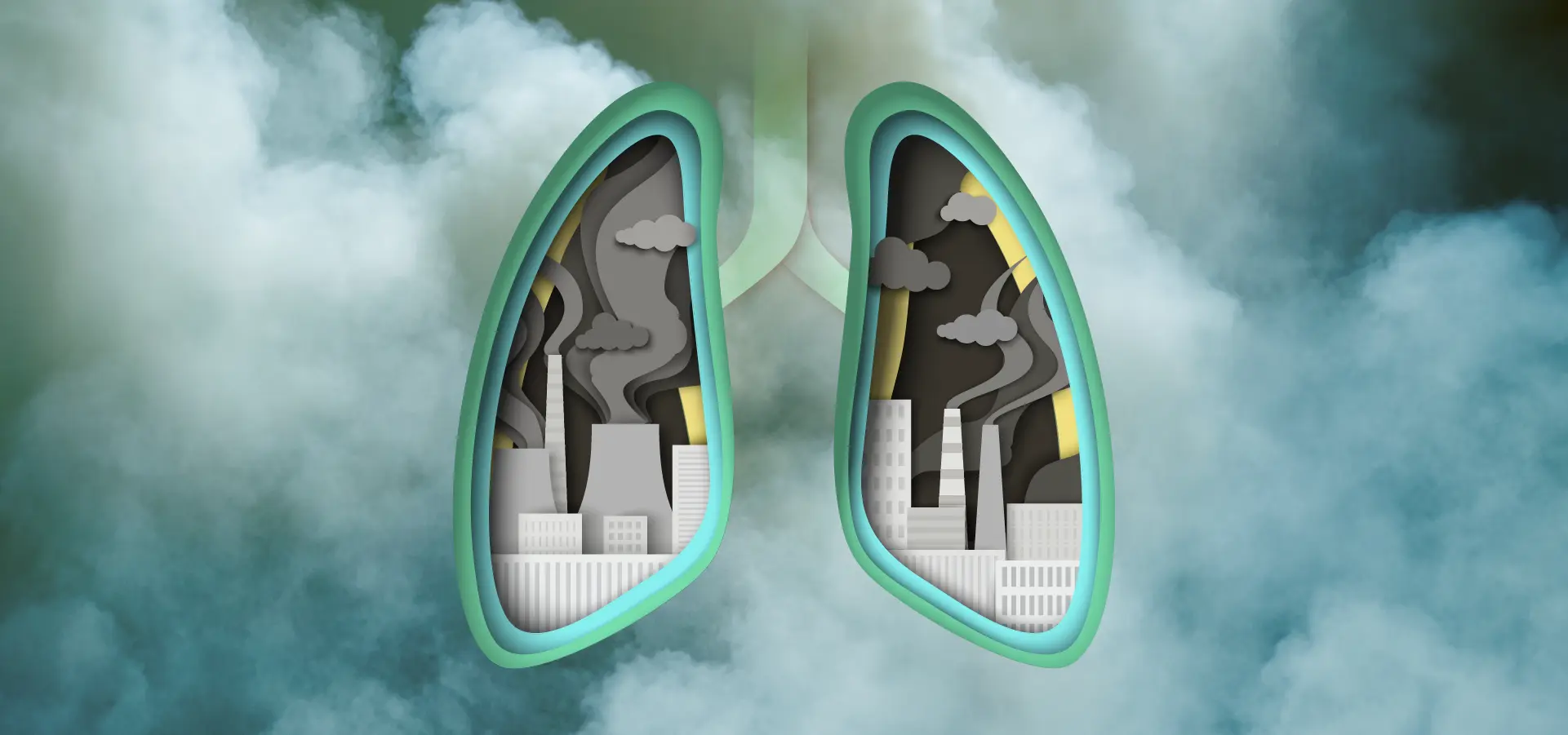
The already substantial health burden of air pollution is worsening due to climate change. The science is clear that hotter and drier conditions are increasing the frequency and severity of wildfires, which emit fine particles that can be carried hundreds of miles on the wind, impairing air quality across regions far removed from where pollution was emitted. Wildfire smoke threatens to cut into decades of progress on air quality in the U.S. and is especially harmful to young children and pregnant women.
Research conducted by our group, led by former grad student Nicholas Mailloux at the Center for Sustainability and the Global Environment in the University of Wisconsin–Madison’s Nelson Institute for Environmental Studies finds that the elimination of soot-related emissions from the U.S. energy system would provide enormous public health benefits. Getting rid of fine particles, SO2, and NOx pollution from the electricity, buildings, industry, and oil and gas production sectors would prevent over 50,000 premature deaths each year in the U.S. and provide more than $600 billion in health-related benefits from avoided illness and death. Our work also shows that health benefits can be maximized in all parts of the country if states and regions were to act as part of a concerted nationwide effort to reduce emissions.
New EPA effort to repeal Endangerment Finding will worsen air quality in Wisconsin.
Since 2009, the goal of regulating emissions from burning fossil fuels via the “endangerment finding” has been a key policy guide to slow climate change and protect Americans from health-harming air pollution. On February 12, 2026, the U.S. Environmental Protection Agency (EPA) began deregulating greenhouse gas emissions when it finalized a rule to overturn the “endangerment finding.” Under the Clean Air Act, the EPA is legally required to regulate pollutants if it determines they can harm public health and/or the environment. Removing the “endangerment finding” removes the legal basis for regulation, which weakens protections for people and the environment.

This is a devastating blow for people who suffer from poor air quality. The hidden costs of deregulating air pollutants are significant in our state. Many environmental, scientific, and public health advocates have plans to litigate this issue in the coming months and years. If the repeal goes into effect once the litigation is final here are just a few reminders of what will happen in the future:
- More air pollution from continued burning of fossil fuels will cause chronic health issues such as cardiovascular, heart, kidney, and reproductive system disorders.
- Experts warn of higher cancer incidence and mortality rates due to increased exposure to toxic, industrial, and power plant emissions.
- While some deregulation may lower short-term costs for businesses, it shifts the financial burden to the public through increased healthcare costs, more doctor visits, and missed work/school days.
- Deregulation can lead to significant, long-term harm to air quality, potentially wiping out years of improvement in pollution levels due to the Clean Air Act.
Getting rid of protections that limit the pollution fossil fuel industries can pump into the air will only make areas with high levels of pollution and all associated economic, social, and health effects worse.
The good news is that Wisconsin has invested in smart energy decisions in recent years to not only reduce harmful air pollution and its economic drag but also help to slow dangerous global warming. Wisconsin’s efforts to clean up our air through the Clean Air Act have been tremendously successful. Breathing cleaner air means a longer and healthier life — but continued air quality improvements may be harder to come by in the years ahead due to deregulation. Let’s continue to work together for a brighter future for everyone in Wisconsin.