
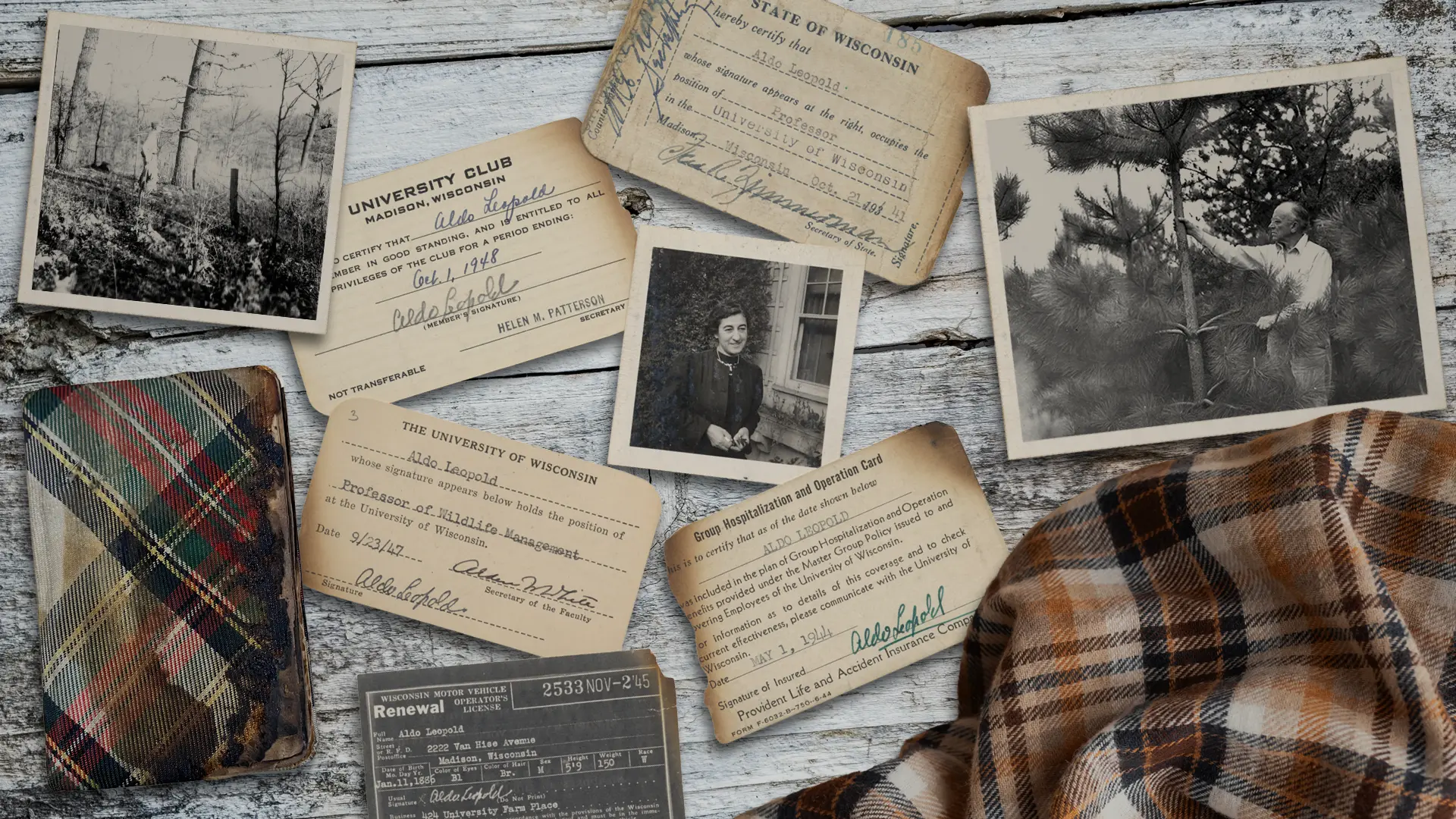

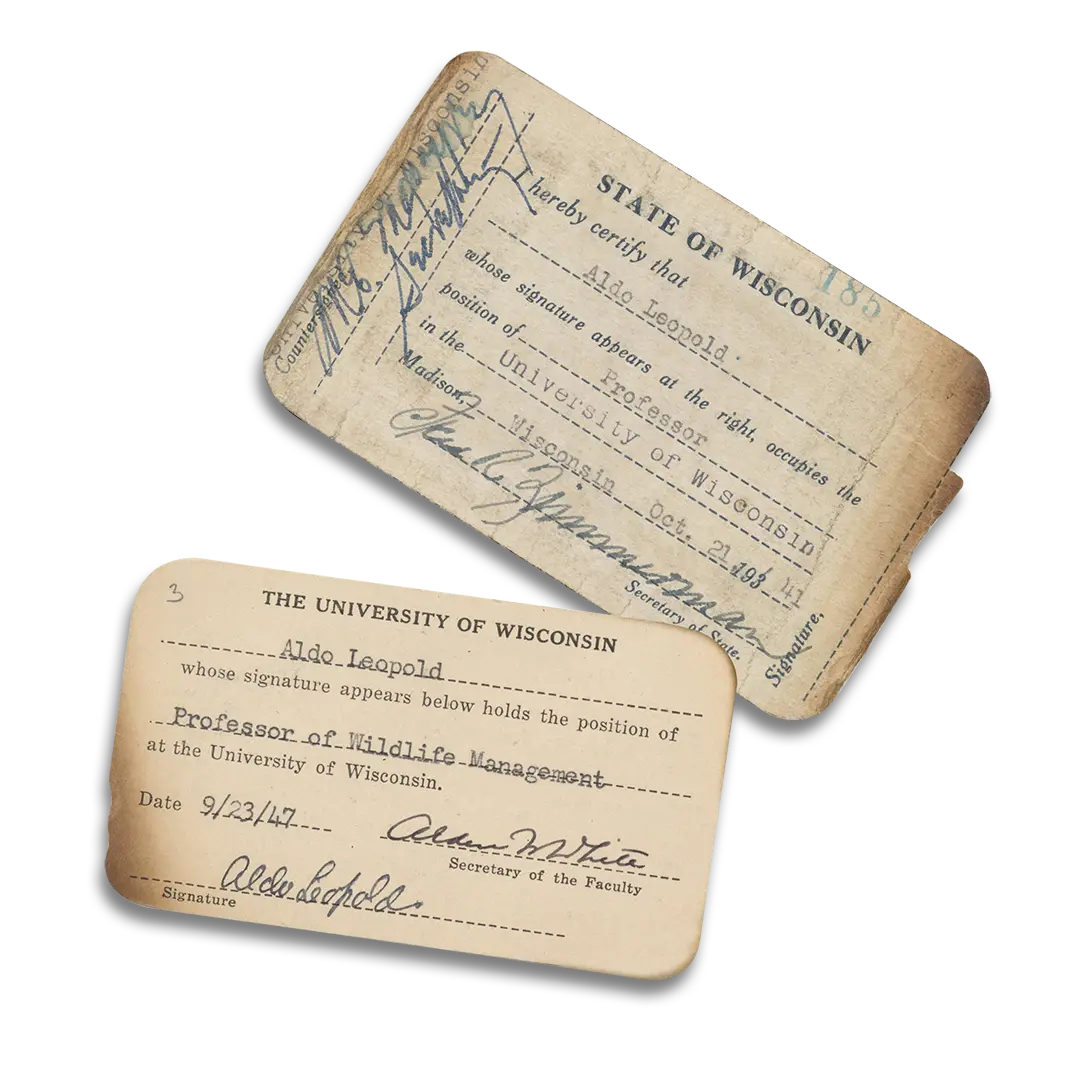
Laying before me on a small table in the University of Wisconsin–Madison archives are the six items recovered from Aldo Leopold’s breast pocket the day he died.
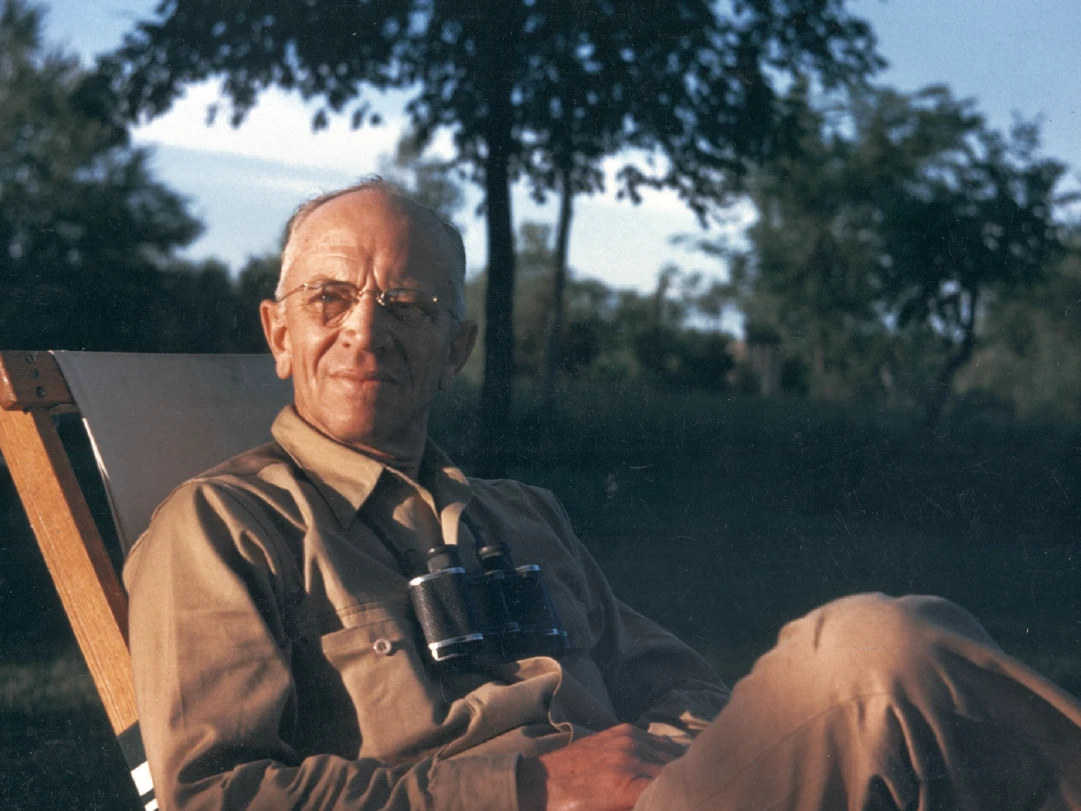
Considered by many to be the father of modern ecology and conservation, Leopold passed away from a heart attack in April 1948 while fighting a grass fire. Three of the items found in his pocket that day are cards authenticating faculty positions and certifying his good standing with the University Club. A fourth item is his driver’s license. The fifth is a square polaroid of his wife, Estella, standing in a black dress. She smiles at something off-camera, holding what looks to be a small ornamental leaf in her hands. Only Estella’s photo survived unmarred by the flames.
I came here for the sixth item: Leopold’s personal journal. In it, he recorded meticulous observations about animal behavior, weather, and vegetation on his property in Sauk County. I delicately open the plaid, wallet-sized book. “Lilac shoot 2 inches long.” It’s the last entry, recorded just days before his death, and the only one I can read. Much of the book is written in a furious scrawl that would take hours, if not days, to decode. But I didn’t come for the observations. I came to see the fire that attempted to erase Leopold’s memories as it scorched the pages a charcoal-black that bled, at times, into bronze. I came to feel the brittle edges and sniff the smoky essence of his journal that symbolizes to me the wider tension between preserving cultural memories and destruction.
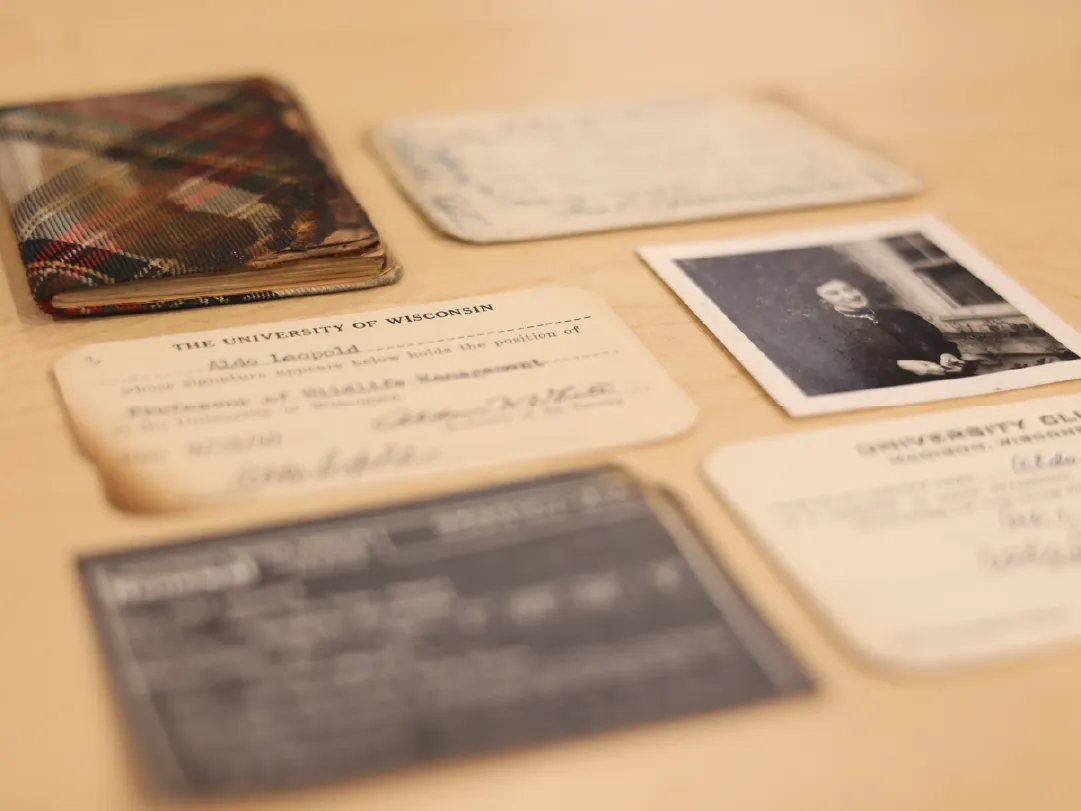
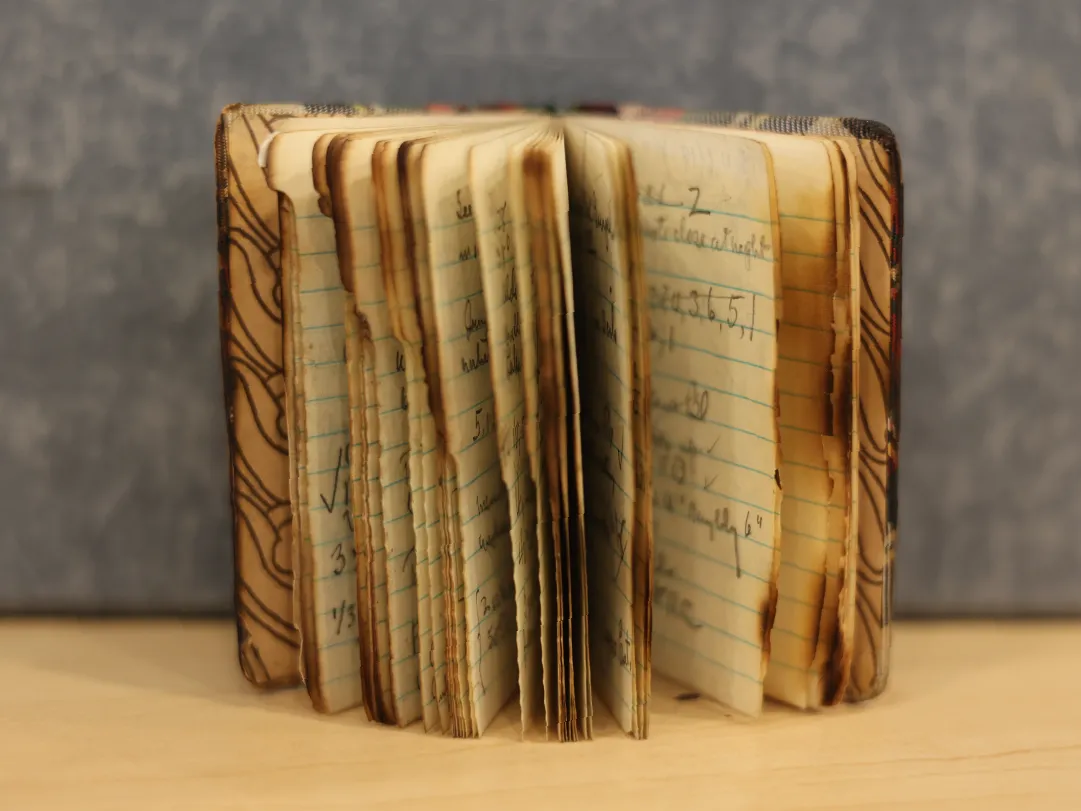
With the burned items arranged on the table, I can almost piece together how they lay inside Leopold’s pocket. It’s easy enough to picture him that day, battling the grass fire, flames leaping, encroaching, before a less visible threat sprang from within. The memory of that day reflected in the materials before me, while the journal itself — a container for Leopold’s own memories — bore the risk of ruin from flames.
Like photos, archives offer a window into the past — freezing, in a sense, linear notions of time. In material form, archives extend the life of cultures and nations. The items before me are part of thousands of photos, documents, and artifacts that make up Leopold’s archive, preserved in Madison. The burn markings signal the fragility of protecting all pasts — a fragility that grows increasingly more precarious in our time.
Archival Precarity
The word archives derives from the Greek arkheion, meaning a house or domicile. Archives bring a system of order and classification to historical artifacts — books, manuscripts, journals — as material links to memory. As a house shelters people, an archive shelters memory. And fire threatens to annihilate.
The risk of fires to archives and libraries is nothing new, though efforts to protect their highly flammable contents are taking on increasingly sophisticated measures. The fire protection system at Yale’s Beinecke Library, for example, sucks the oxygen out of the room when activated, taking away the fuel fires need to grow. Some fear that this system would kill any humans present. Although greatly exaggerated, such fears pale in comparison to a real anxiety over losing historical and cultural artifacts and the extent to which archivists would go to protect them.
But the fires of tomorrow pose a threat of a different sort. Thinking of archives against the backdrop of human-driven climate change, rising sea levels, and worsening wildfires draws attention to the amplified existential threat this moment poses not only to humanity’s existence, but to the articles we wish to protect and remember — that is, to our collective memories. Perhaps more than any other natural phenomenon, fires and wildfire smoke invade the day-to-day lives of Americans as a reminder of a changing climate.
Humans’ harnessing of fire has changed the environment so drastically that some scholars call our current era the “Pyrocene”: an age of fire conditioned by human impact and equal in stature to the Ice Ages. What does a “fire age” mean for artifacts and books, those things intended to last beyond us? That, like memory, encode a sense of community and self for future generations?
An Age of Fire
Although the “age of fire” is a relatively recent phenomenon, fire as a tool of obliterating identity is as old as writing itself. It has been the preeminent weapon wielded by peoples seeking to annihilate the material memories of others — for example, nations have torched books as a means of control for 55 centuries. This weaponized form of cultural amnesia takes away people’s link to their national identity, to their past, and to their ability to continue traditions into the future.
Our modern-day wildfires are grand in scale, unwieldy, and out of control. They threaten indiscriminately, globally, but largely result from human actions driving climate change in industrialized nations. They aren’t the weapon of an enemy nation state, but a self-inflicted wound.
Or, in more apt terms, an apocalypse.
From the Greek word Apocatastasis, apocalypse means a state of being restored to a condition of perfection. It is a transitional period that marks the end of history and the beginning of eternity. The Bible often attributes fire to an “eschaton”—a final event—and the handiwork of God. Leopold busied himself with this topic in a lesser-known article called “Forestry of the Prophets,” where he explores the appeal of fire to the imagination of ancient Israelites. In the Book of Joel, Leopold points out, “the judgement of God takes the form of a fire” that “spread upon the mountains” like the dawn. In speculating on whether forest cover in ancient Israel was denser than it is today, he even links the intensity of that fire to an effect of “the apparent change in climate.”
Paired with a warming climate, part of what makes current wildfires so deadly is more than 100 years of fire suppression, which increases their intensity when they do occur. Leopold’s reading into ancient Israel suggests humans warped their climate to the point where fires became more catastrophic — represented in the Book of Joel as a biblical doomsday event threatening to wipe them out.
Thousands of years later, rampant extraction and fire suppression has poured proverbial gasoline on wildfires and given them the global stage. In an almost cyclical nature, phenomena like floods and megafires materialize as symbols of the apocalypse, their job to forcibly and violently erase that which came before them. To purify and begin anew.
Etched in Flames
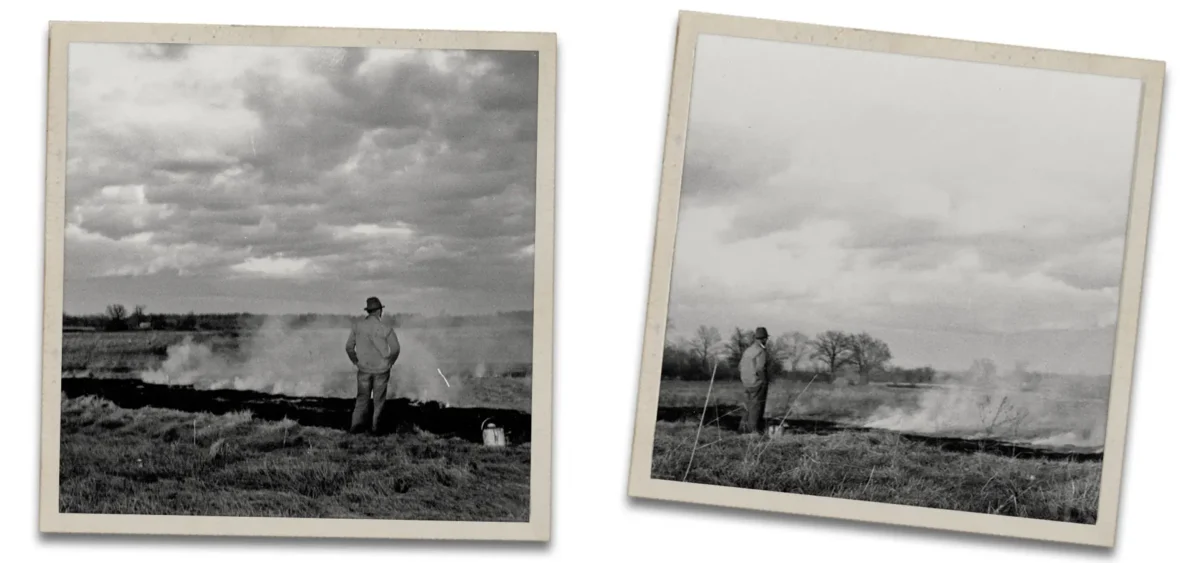
At the same time, fires play a necessary ecological function renewing soils by recycling nutrients, altering landscapes, and providing forage for animals. Historically, humans used fire for the very purpose of changing landscapes to their benefit. The fire Leopold battled the day he died was intended to be a prescribed burn; it just got out of hand. Taking the shape of changed landscapes, fires leave an indelible mark that lasts long after they’re gone. They are but one way in which humans etch their activities in material form; leaving their “signature” on the planet.
These forces register in the Earth’s strata and in the changing climate. Humans have become a geomorphic force, and human activities become an interval of time measured in changing material entities — like lakes, forests, and mountains. Such entities are not unlike human archives, holding a much deeper history that render our own actions readable. Or, as former UW–Madison Professor Rob Nixon, a “collective story about humanity’s impacts that will be legible in the earth’s geophysical systems for millennia to come.”
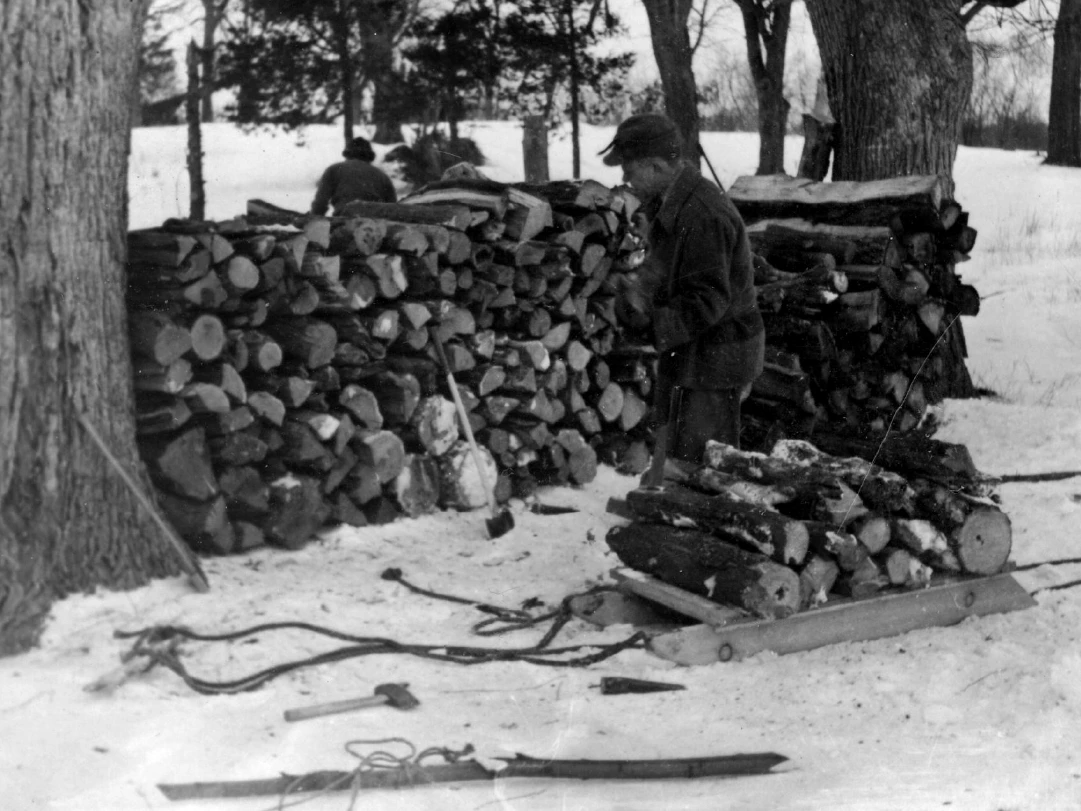
Leopold, too, thought about materials as time capsules containing a story of human and other-than-human entanglement. He wrote in A Sand County Almanac that he viewed his pile of lumber as an “anthology of human strivings … a kind of literature not yet taught on campuses.” Each axe swing used to split wood took part in this anthology, was itself a mark “on the face of his land.” Perhaps thinking of human action in these terms — as archival markings on the land, as stories, or as memories entangling humans and those beyond or other-than — can in turn help us reimagine what kinds of “stories” we want to leave behind.
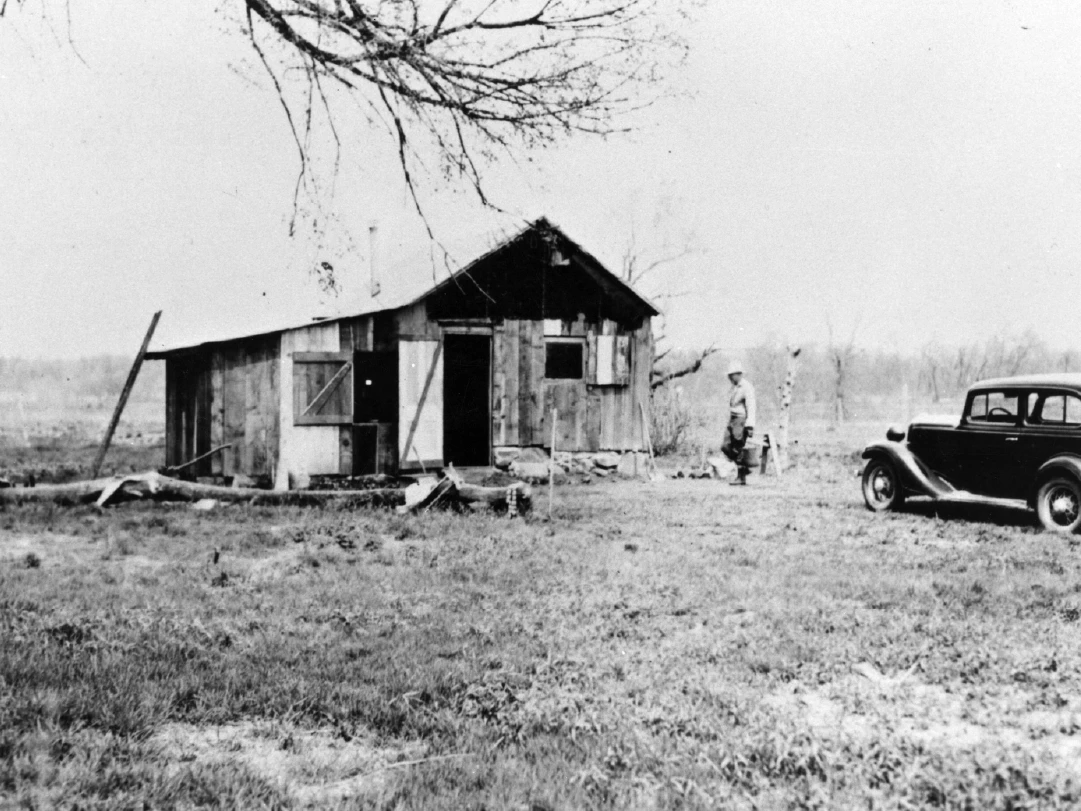
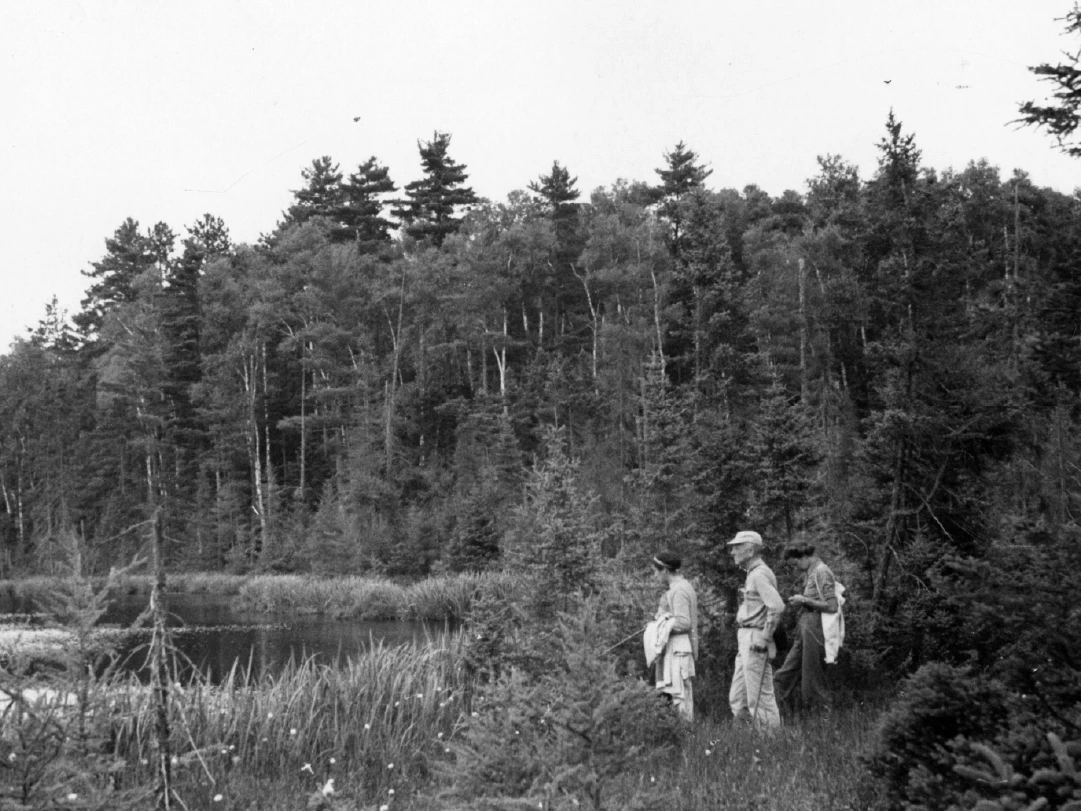
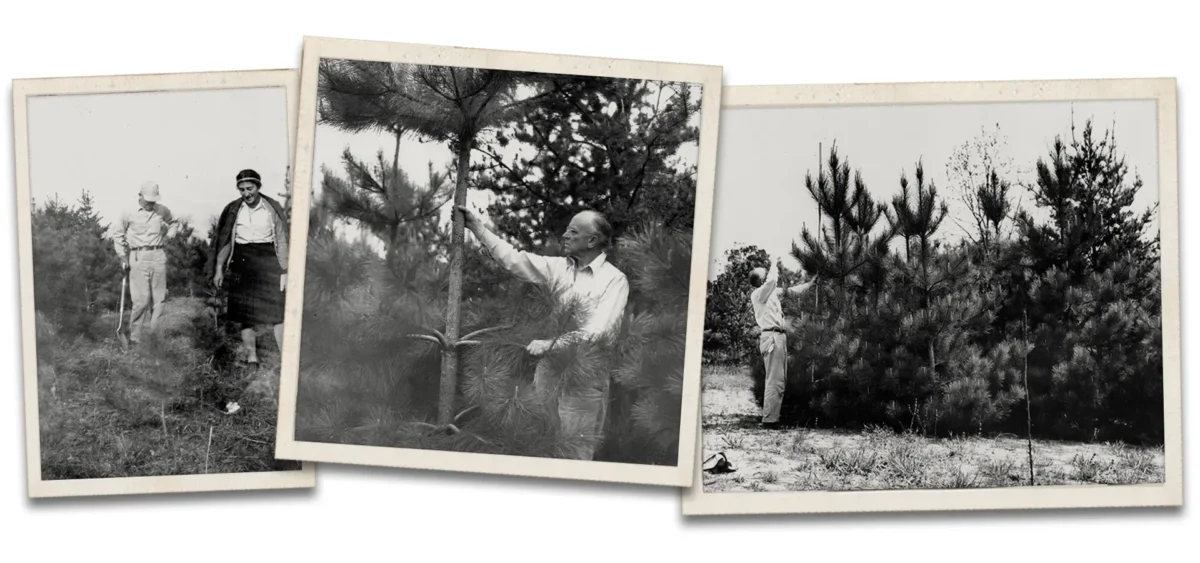
Leopold’s own actions tell a story of conservation that lives beyond him. He favored his pines above all other trees because he planted them, and because they fostered greater biodiversity than his birches. They remain today in no small part as a material link to his memory. Several newspaper clippings of a 1988 arsonist fire on Leopold’s land expressed anxiety over his pines specifically, noting the fire scorched “75 pine trees planted by Leopold himself.” The unease over losing to flames something Leopold planted and loved resembles the concern over losing cultural achievements stored in libraries, archives, and museums.
And I feel uneasy standing in the UW’s archives holding items degraded by fire. The thick, windowless walls deny views outside, but I don’t need to see to know that fire has changed our landscape. This year is already setting records for wildfire destruction. For the past few summers, many cities in the midwestern United States were enveloped in a thick screen that only the West had known before. I’m surrounded by materials and stories of the past, but my mind drifts toward the future. How bad will wildfire smoke get this summer? How about the summer after that? Maybe I’m overblowing the threat of anthropogenic wildfires to archives. Then again, it’s not hard to find recent examples of archives that have perished in flames.
The burned pages of Leopold’s journal don’t provide any relief or solace. They only render visible two juxtaposed themes: preservation and destruction. Interestingly, the land ethic Leopold famously put forward seeks to reconcile these very things, by decentering humans in relation to the environment. Like archives, the Greek root eco means home. The land ethic strives to preserve, not destroy, that home.
Our human actions determine what’s left behind in material form as much as they determine the temporal future. The archive might stave off decay, but fire carries our mark on the land, converting our actions into a deep, geological form of time. Even as they usher in the end of history, these fires bare our story and our presence, etched in flames.
This story originally appeared in Edge Effects, a digital magazine produced by graduate students in the Nelson Institute’s Center for Culture, History, and Environment. Read more from and subscribe to Edge Effects.
Special thanks to the team at the UW–Madison Archives.