

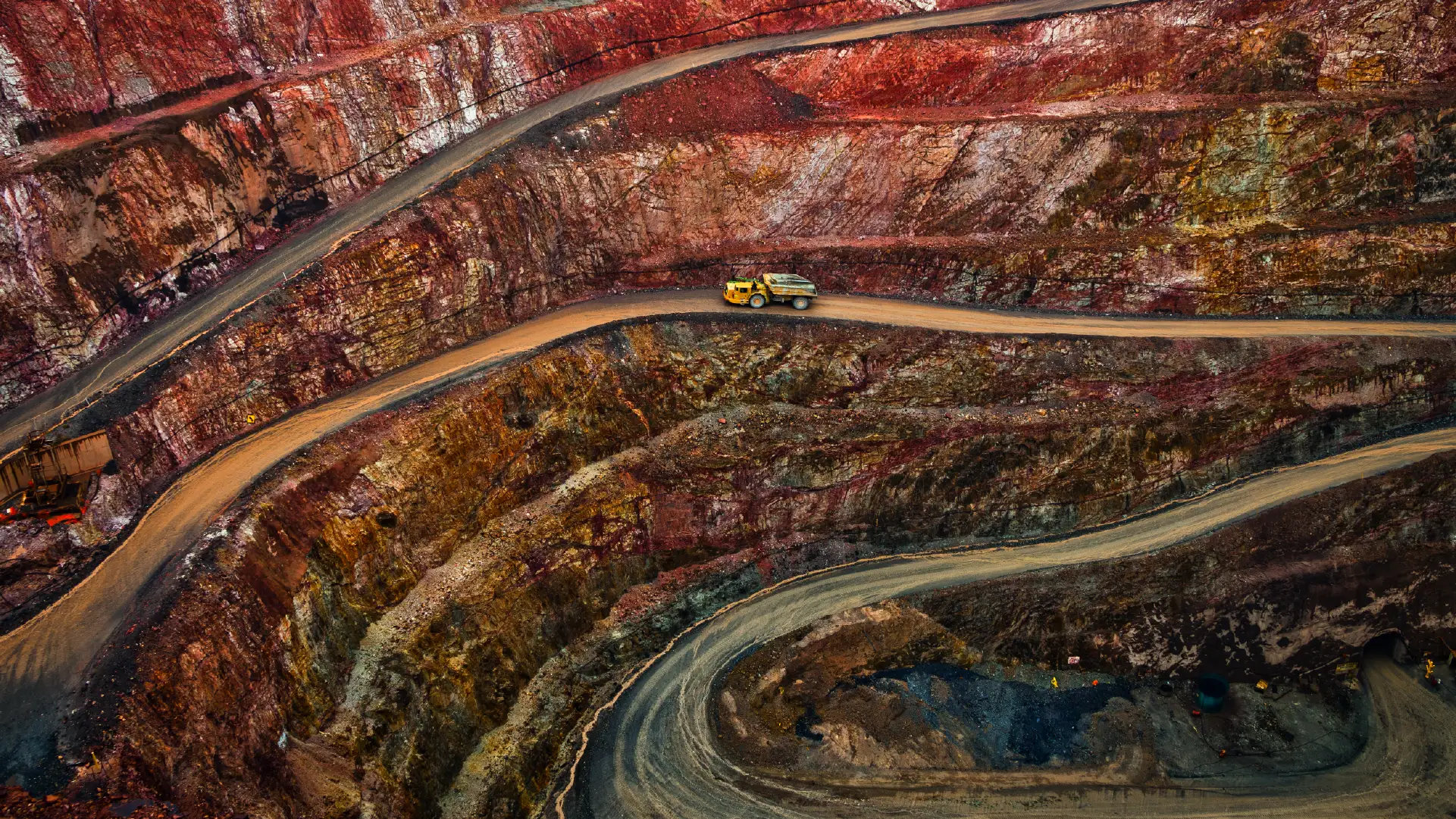

Modern life depends on minerals. At least, that’s where most commentaries on rare earth elements and other designated critical minerals start. From pocket-sized smartphones to satellites, life-saving medical devices to infrastructure, nearly every aspect of daily life is built on materials pulled from the Earth. These statements are both true and helpful (I’ve used them myself), but too often, they are used to corral people into believing that there’s only one way to sustain our society: “dig, baby, dig.” While some mining remains necessary, this message distracts from the immense potential all around us — and blinds us to the struggles playing out far below and above us.
“Rare earth elements” — the 17 periodic elements found throughout the Earth’s crust — aren’t actually rare. But due to decades of development policy choices in China and the West, the supply chains are concentrated in a few places, with China serving as a central artery for value-added processing. Further, less than one percent of rare earths used are recycled — a stubbornly unimpressive statistic. Today, fears of overdependence on China are driving a flurry of western policy and investment activities to keep the rare earths flowing. While there is no shortage of creativity and scientific innovation along these lines, we are failing to connect these ideas to larger scale supply chains. This matters because new mining projects are being fast-tracked in sensitive ecosystems around the country and the world. They’re often framed as existentially necessary: for national security, for the energy transition, for jobs, or even for geopolitical dominance. Mining is not the fastest way to expand supply. It is simply the most familiar, the most subsidized, and the most heavily lobbied.
We can’t consider Earth’s mineral resources without also thinking socially: where do material supply chains begin and end, how they function, and who bears the costs? Our mineral and information infrastructures shape not only technological possibilities, but democratic ones. If these minerals are, in fact, so important to life as we know it, then why are they not treated as a public good? Why isn’t there greater public debate and oversight into where, how, and under what conditions they are sourced? Ultimately, what makes a resource “critical” is not its concentration in the Earth’s crust, but the fragility of the political and economic systems that depend on it.
This becomes even clearer when we look up toward orbital space. It might seem like a stretch, but consider holes in the ground and satellites in orbit as close relatives. From a supply chain perspective, one clearly leads to — and depends on — the other. For example, think of protests, elections, or even warfare. Yes they occur on Earth, but their technologies are inseparable from the minerals that make them possible. Satellites guide communications, coordinate emergency responses, track weather systems, and facilitate everything from banking to transportation. Those supply chains stretch from mines to factories to launchpads to Earth’s orbit. They form the informational arteries of contemporary political life.

Much like critical mineral supply chains, these informational arteries are unevenly controlled. In recent years, a small number of private firms have put thousands of satellites into orbit, building mega-constellations that shape how billions of people communicate and move. The purposes of these technologies range from scientific collaboration to commercial service provision to military surveillance. One satellite can help climate scientists study global warming or help an authoritarian regime track dissidents. The fact that fewer of these technologies are treated as public goods, subject to public oversight in their use and applications, has serious ramifications.
A stark example came in March 2025, when the United States abruptly cut off intelligence support and funding for high-resolution satellite imagery being provided to Ukraine during its defense against Russian invasion. The private firm supplying the imagery cut off access within 12 hours. Ukraine, suddenly deprived of real-time geospatial intelligence, was effectively flying blind. Even when the U.S. restored intelligence support a week later, funding was not restored. The company chose to offer imagery for a price — despite a newly signed minerals agreement granting the United States preferential access to Ukrainian mineral deposits. The message was clear: even strategic mineral access does not guarantee access to the privately held information networks now essential for national defense. Even more, it became clear that power is exercised through both subterranean and orbital infrastructures.
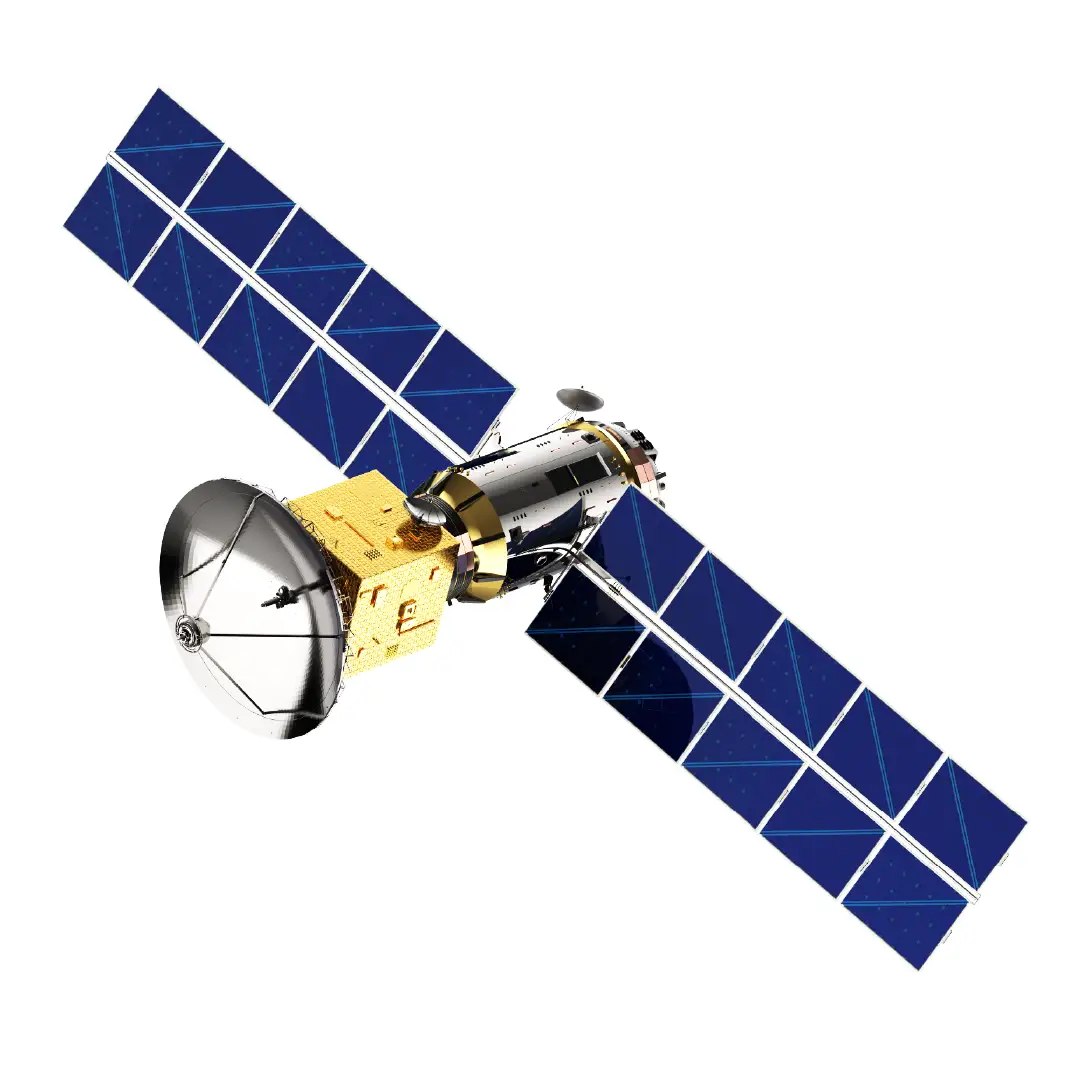
No single field or sector will be able to untangle these systems alone. This is complex, growing problem that will require unprecedented interdisciplinary collaboration. Even after a satellite is launched, its politics remain grounded. Protests in the streets, policy(un)making in offices, and radical changes in the relative freedom of movement of different groups of people all rely on satellite networks for communications, positioning, and intelligence. The fabric of our society is embedded in supply chains that can be traced through transnational labor and trade networks to, eventually, a mine. Neither the technological networks nor the decisions about where and under what conditions to open a mine are neutral matters. Both are active terrains of struggle in which antidemocratic interests have made breathtaking strides.
And yet — this is not cause for despair. It is a call to rethink resource politics from the ground up and the sky down. To secure and sustain our future, we need research and public engagement strategies that treat minerals and information as interconnected. That is where we’ll find transformative interventions: in how we design technologies, where we source materials, how we manage information flows, where we build infrastructure, and in which systems we choose to invest.
But before that, we need a just and sustainable supply of designated critical minerals. This means investing in circular economies rather than doubling down on extraction. It means foregrounding well-being and peace in every context. And it means understanding that the future of constitutional democracy depends as much on how we manage metals and satellites as on what happens in streets, parliaments, and polling places.
Klinger has previously written an expanded article on this topic, published in IWMPost, and a brief opinion, published in CQ Researcher.