



Brazil’s soybean moratorium, a highly effective zero-deforestation agreement, is currently under threat of being dismantled. Center for Sustainability and the Global Environment (SAGE) researcher Lisa Rausch along with SAGE affiliate Holly Gibbs have been studying this policy for more than a decade, and their findings highlight the power of Brazil’s early leadership in supply chain governance.
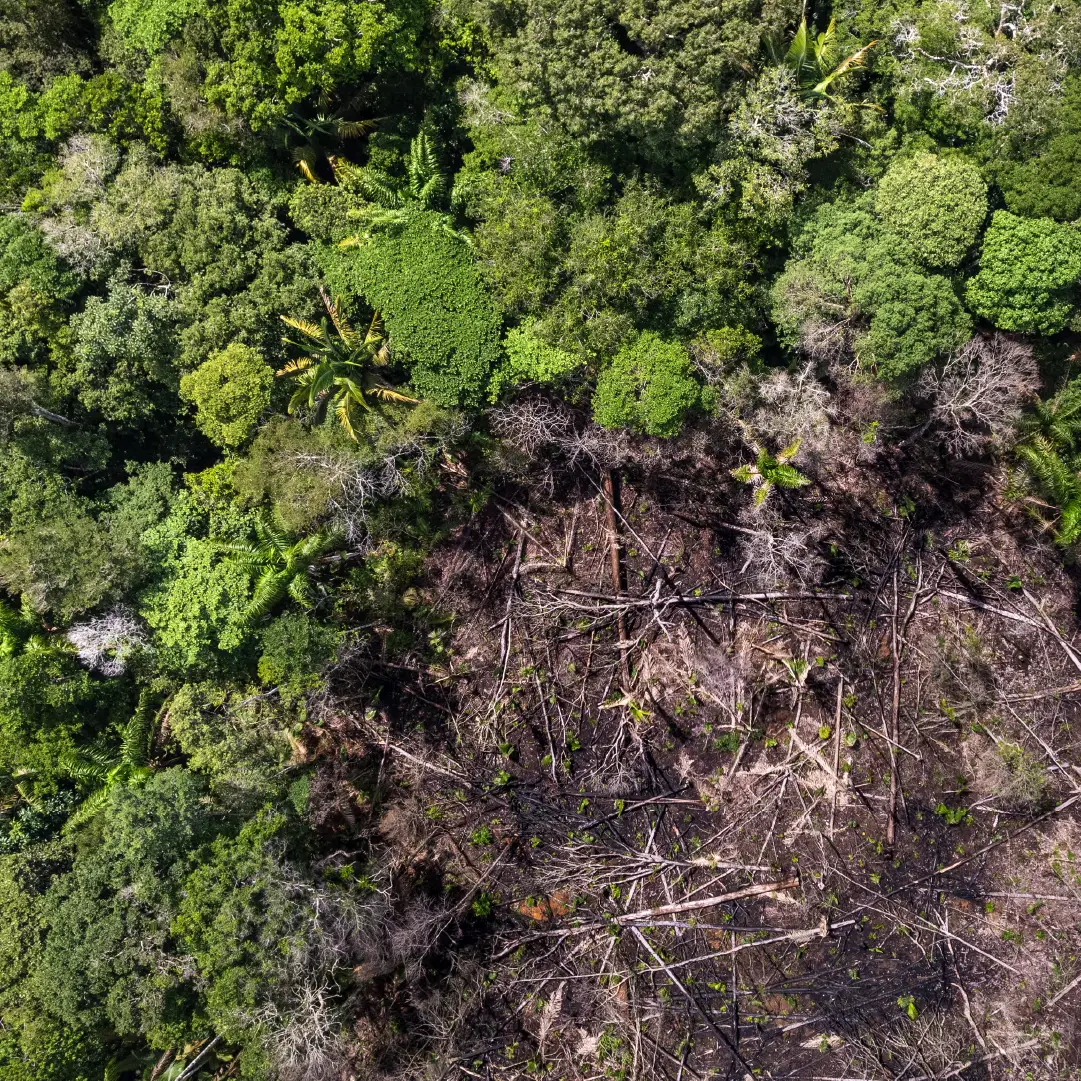
Brazil is the world’s largest producer of soybeans, and the economic value per square hectare of soybean farming is much higher than other crops. Under the moratorium, traders agreed not to purchase soy grown on land deforested after 2008. This commitment triggered an immediate drop in soy sourced from newly cleared areas and played a crucial role in slowing Amazon deforestation. However, the policy’s future is uncertain: a government investigation launched in August has put the moratorium in jeopardy, with its continuation now awaiting a Supreme Court decision.
In a 2020 study, Gibbs and Rausch found that the soy bean moratorium significantly reduced deforestation in soy-appropriate areas, preventing an estimated 18,000 ± 9,000 km² of forest loss between 2006 and 2016. “Before the moratorium, about 30 percent of soy came from recently deforested land,” says Gibbs. “Today, less than one percent of soy comes from recently deforested land. The moratorium caused a rapid drop.”
The study also shows that the moratorium’s effectiveness relied heavily on strong public policies, such as land registries and deforestation monitoring, highlighting the importance of combining private and public conservation efforts.

